Richmond’s average last spring frost falls around April 9th, and its average first fall frost comes around October 31st. That gives the city a growing season of roughly 200 days. Most yard work in central Virginia is timed to those two dates, from the first pre-emergent in March to the last mow in November.
Pre-emergent, cleanup
Annuals, mulch, irrigation on
Aerate, overseed, plant trees
Last mow, leaves, winterize
What Richmond’s Frost Dates Mean for Your Yard
A frost date marks the average night when the temperature drops to 32 degrees. Gardeners treat April 9 as the earliest safe day for tender plants and October 31 as the deadline for getting them inside or under cover.
Cold air sinks, so low spots, creek bottoms, and yards along the James often frost a week or so before hilltops and the city center, where pavement and buildings hold heat. If your yard sits low, plant a week later in spring and plan for frost a week earlier in fall.
Richmond’s hardiness zone answers a different question. The USDA puts most of the Richmond area in Zone 7b, a measure of how cold the winter gets. Use the zone to choose shrubs and perennials that will survive the winter, and use the frost dates to decide when to plant them.
Before the Last Spring Frost: March to Early April
- Put down pre-emergent. Crabgrass sprouts once soil temperatures reach the mid-50s, which in Richmond usually happens in March. Pre-emergent has to go down before then, and it’s part of every landscape maintenance agreement we write.
- Clean up winter damage. Cut back dead perennial foliage, clear storm debris, and edge the beds. Our Richmond spring cleanup checklist covers the full list, and our spring cleanup service can do it for you.
- Start the mower. Tall fescue wakes up as the soil warms, and mowing season in Richmond usually starts in late March.
- Hold off on tender plants. Pansies, cool-season vegetables, and most shrubs can take a late frost. Annuals, tomatoes, and tropical plants can’t.
After the Last Spring Frost: Mid-April Through May
- Plant annuals and summer flowers. Once nights stay above freezing, beds can take begonias, impatiens, vincas, and other warm-weather color.
- Turn the water on. Wait for the frost risk to pass before irrigation startup, since a hard freeze can crack pipes and backflow valves full of water.
- Mulch the beds. A fresh layer in late April holds spring moisture in the soil before the summer heat arrives, and our mulching service can handle it.
- Lay warm-season sod late. Bermuda and zoysia need warm soil to root, so sod installation for those grasses usually waits until mid to late spring.
Before the First Fall Frost: September and October
- Aerate and overseed the lawn. Fescue fills in best in early fall, while the soil is still warm and the nights are cooling. We aerate and overseed as part of our lawn care in Richmond, and our post on why aeration should happen every year explains the timing. Clay soil needs the yearly aeration most, as our Richmond soil guide explains.
- Plant trees and shrubs. Fall planting gives roots several weeks in warm soil before winter and a head start on next summer’s heat. That’s why autumn is the best time to landscape in central Virginia, and why fall is a busy season for our landscape installation crews.
- Bring tender plants inside. Move potted tropicals and houseplants in before the first night in the 30s.
After the First Fall Frost: November Into Winter
- Finish the mowing season. Fescue stops growing after a few frosts, and the last cut usually comes in early November. Warm-season lawns go brown and dormant.
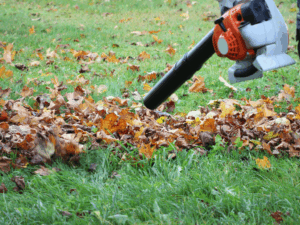
- Clear the leaves. Over the winter, a mat of wet leaves smothers fescue. Richmond’s leaf drop peaks in November, and landscape cleanup gets them off the lawn before they do damage.
- Winterize the irrigation. Blow out the lines before the first hard freeze.
- Leave frost-bitten plants alone. Brown leaves after a freeze look bad, but pruning them now exposes fresh tissue to the next cold snap. Our guide to cold damage on plants explains why waiting until spring works better, and winter landscape maintenance covers the rest of the off-season.

Frequently Asked Questions
When does Richmond get its first and last frost?
The average last spring frost is around April 9, and the average first fall frost is around October 31. Low-lying yards can see frost a week later in spring and a week earlier in fall.
What growing zone is Richmond in?
Most of the Richmond area falls in USDA Zone 7b. The zone measures winter cold, so use it to pick plants that will survive, and use the frost dates to decide when to plant them.
When should I plant grass seed in Richmond?
Plant tall fescue in early fall, in September and October. The seed sprouts quickly in warm soil and has the cool months to establish before summer heat returns.
Plan Your Yard Around Richmond’s Seasons
We schedule every job around the local calendar, from spring pre-emergent to fall overseeding. Request a free estimate and we’ll send a written proposal within 24 hours of walking your property.
About the Author

Craig Attkisson is the Owner and General Manager of Green Side Up Landscaping, holding a B.S. in Agronomy and Horticulture from Virginia Tech. His passion for the outdoors started early — growing up on a Christmas tree farm and mowing baseball and soccer fields as a 10-year-old entrepreneur. That foundation led to hands-on experience at Hanover Country Club, followed by a unique opportunity during his time at Virginia Tech to study abroad in South Africa, researching cultural diversity, climates, agrometeorology, and large-scale irrigation. After returning to the U.S., Craig built his expertise across all three Country Club of Virginia golf courses before becoming Second Assistant Superintendent at Hermitage Country Club. In 2004, he channeled that deep-rooted knowledge into founding Green Side Up Landscaping — with a singular focus on delivering the best lawn care and landscaping service possible to every client.