
What Homeowners Say About Our Work



Your Walkway Project, Step by Step
01 | Schedule
Choose a convenient time to meet and fill out a few quick details about the services you're interested in.
02 | Prepare
Watch our short pre-meeting video, think through your budget, and explore our website to make sure we’re the right fit for your project.
03 | Meet
A member of our sales team will meet with you on-site to walk through your goals and explore the best options for your space.
04 | Approve
You’ll receive a detailed proposal within 24 hours. Once you approve it, we get straight to work.
05 | Enjoy
You’ll be connected with a dedicated point of contact who will guide you every step of the way—so you can sit back and enjoy landscaping you’re proud of!
Why Choose GSU?

We See What's Under the Path
A walkway is narrow, which means it has less mass holding it in place than a patio and shifts more easily. Our leadership holds degrees in horticulture, agronomy, and turf management, so we look at what a path has to live with: the clay that swells and heaves through freeze-thaw winters, and the tree roots running under the route. Some species send roots straight for a walkway and lift it within a few years. We plan the path and the base around what’s growing near it, then set edge restraints so the sides hold their line instead of spreading apart.
-
Service That Stays With You
You won’t get handed off to a stranger halfway through. One point of contact walks your project from the first design conversation to the final walkthrough, and stays reachable long after the last stone is set.
-
A Path That Suits the Whole Property
A front walk should match the house, and a garden path should feel like part of the landscape it runs through. We design and install, so your walkway, patio, plantings, steps, and lighting come together as one property rather than a set of separate jobs done in different years by different crews.
What a Walkway Costs
Every walkway we build is custom, so pricing depends on the length and width of the path, the paver or stone you choose, how much the ground has to be graded or excavated first, and site access for equipment and materials. Steps, curves, walls, and path lighting factor in as well. For a sense of where projects typically land, see our pricing guide.
Instant Price Estimator Tool for
Walkway Installations
Who We Serve

Residential Properties
Serving homeowners looking for luxury-level lawn care.
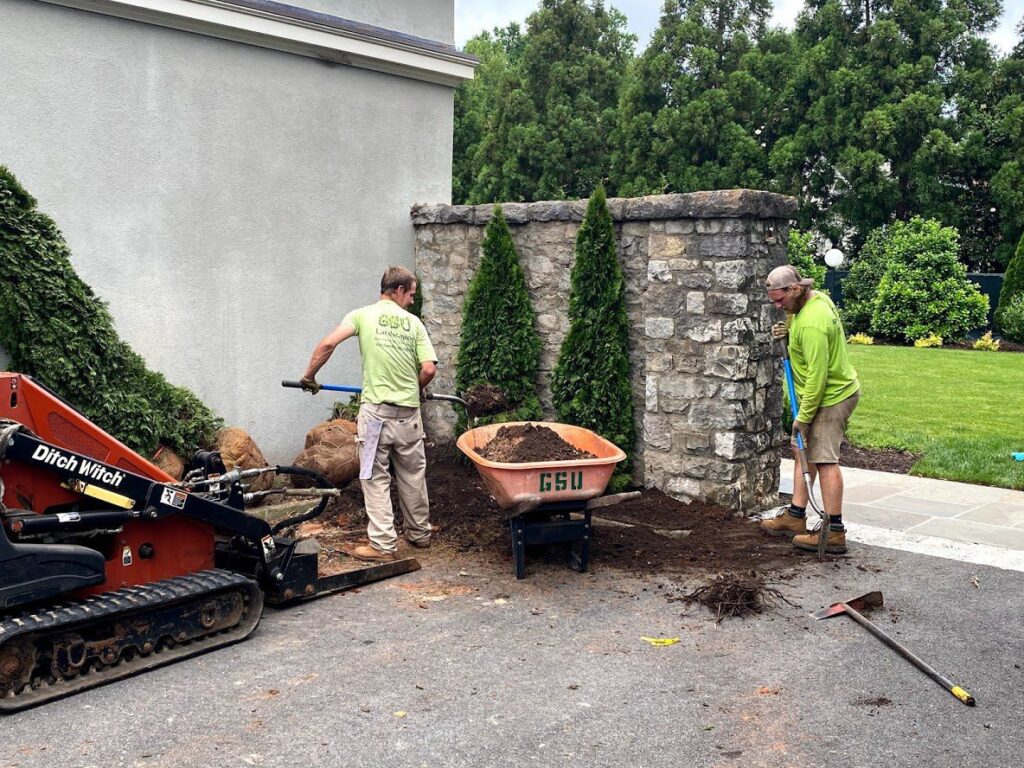
Churches & Faith-Based Organizations
Trusted to keep grounds consistently welcoming.

Community Spaces
Proud to keep these valuable spaces green and beautiful.


Frequently Asked Questions
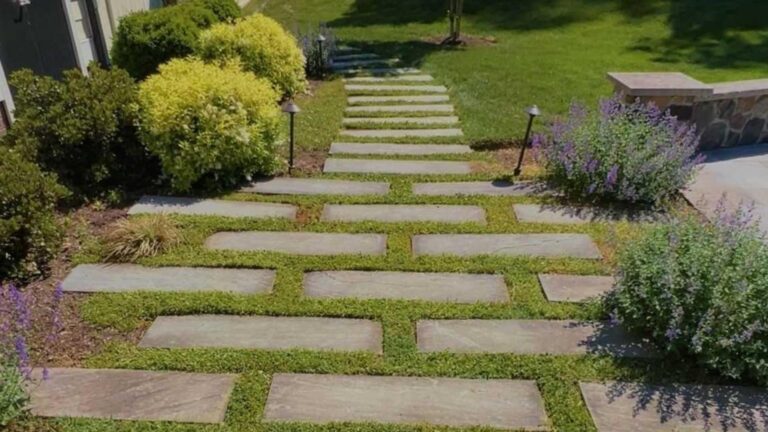
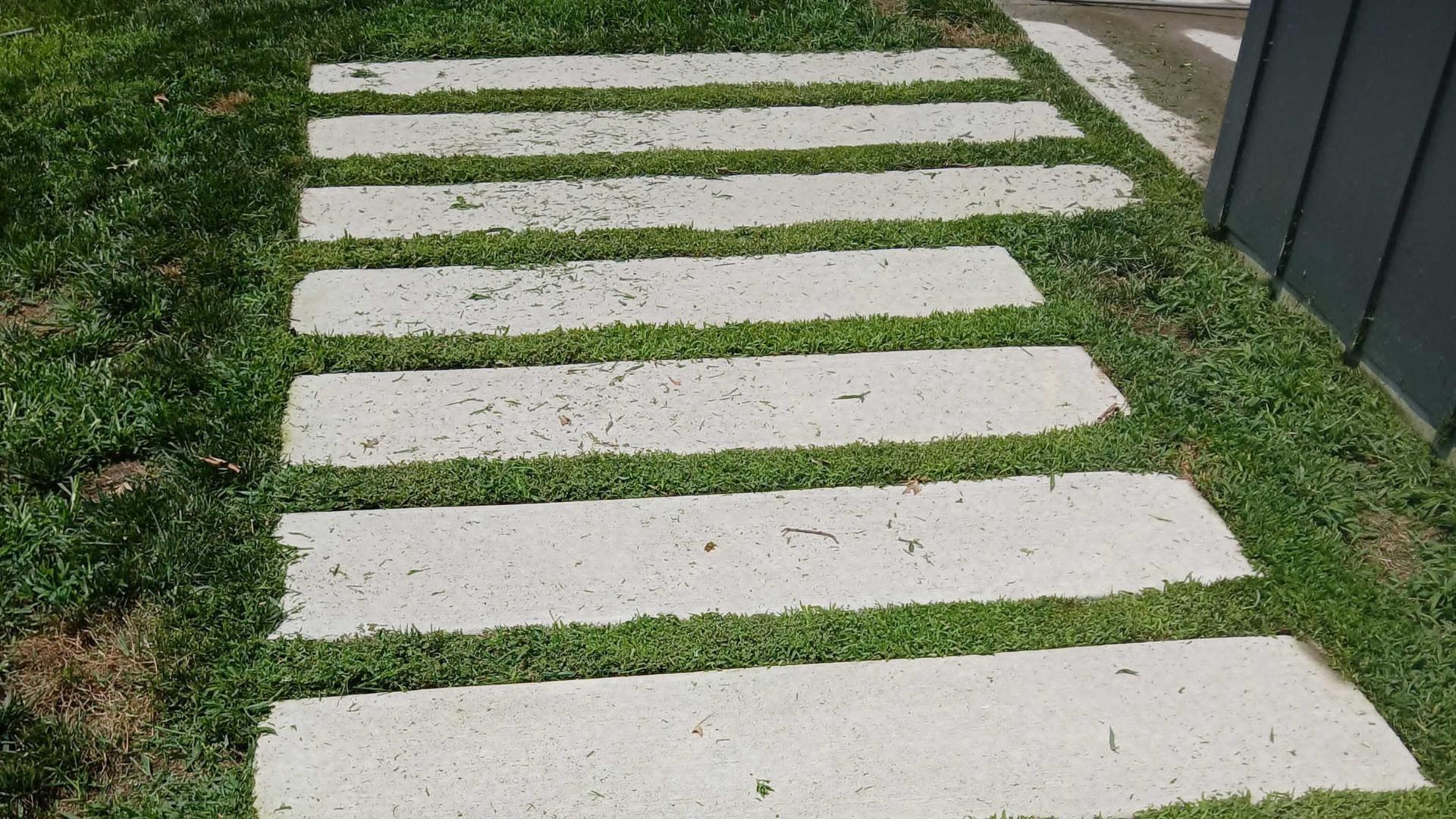
Concrete pavers are the most common choice, since they come in a wide range of colors and shapes and can be lifted and reset individually if anything ever needs attention. Natural stone like flagstone and bluestone gives a softer, more organic look that suits garden paths and older homes. Brick fits the traditional architecture you see throughout Williamsburg and Richmond’s older neighborhoods. Stepping stones set into turf or gravel work well for casual routes through a backyard. We’ll walk your property and talk through what fits the house and the way you’ll use the path.
That comes down to what’s underneath it and what’s holding the edges. Virginia’s clay soil holds water and moves through freeze-thaw cycles, and a walkway that was laid on thin or poorly compacted base will telegraph that movement within a couple of seasons. We excavate to the right depth, install and compact a proper base, grade so water sheds off rather than sitting under the stone, and set edge restraints along both sides so the pavers can’t creep outward. Built that way, a paver walk can also be lifted and reset in sections down the road, which is a practical advantage over poured concrete.
For a front entry, four feet lets two people walk side by side, which is why it’s the standard for a main approach to the house. Three feet works for a secondary or garden path meant for one person at a time. Anything narrower starts to feel cramped and pushes people onto the lawn beside it, which is usually where you see a worn strip of dirt. We’ll look at how the path will get used and where people naturally cut across the yard before settling on a width.
Yes, and both are much easier to plan in from the start. We build steps and low walls into paths that run across a slope, so the grade change feels intentional rather than awkward. Low-voltage landscape lighting along a walk makes it safe to use after dark and shows off the house from the street. Running the wire before the walkway goes down saves cutting into finished work later.
Often, yes. If the walkway is paver or stone and the base is still sound, we can lift the affected sections, correct the grade underneath, and reset them so the path sits flat again. If the whole path was built on a weak base, or if roots or drainage problems caused the movement, resetting the surface alone won’t hold, and we’ll be straight with you about that. In those cases we address the cause first, whether that means rerouting the path, correcting drainage, or rebuilding the base, then lay the walkway back down to last.
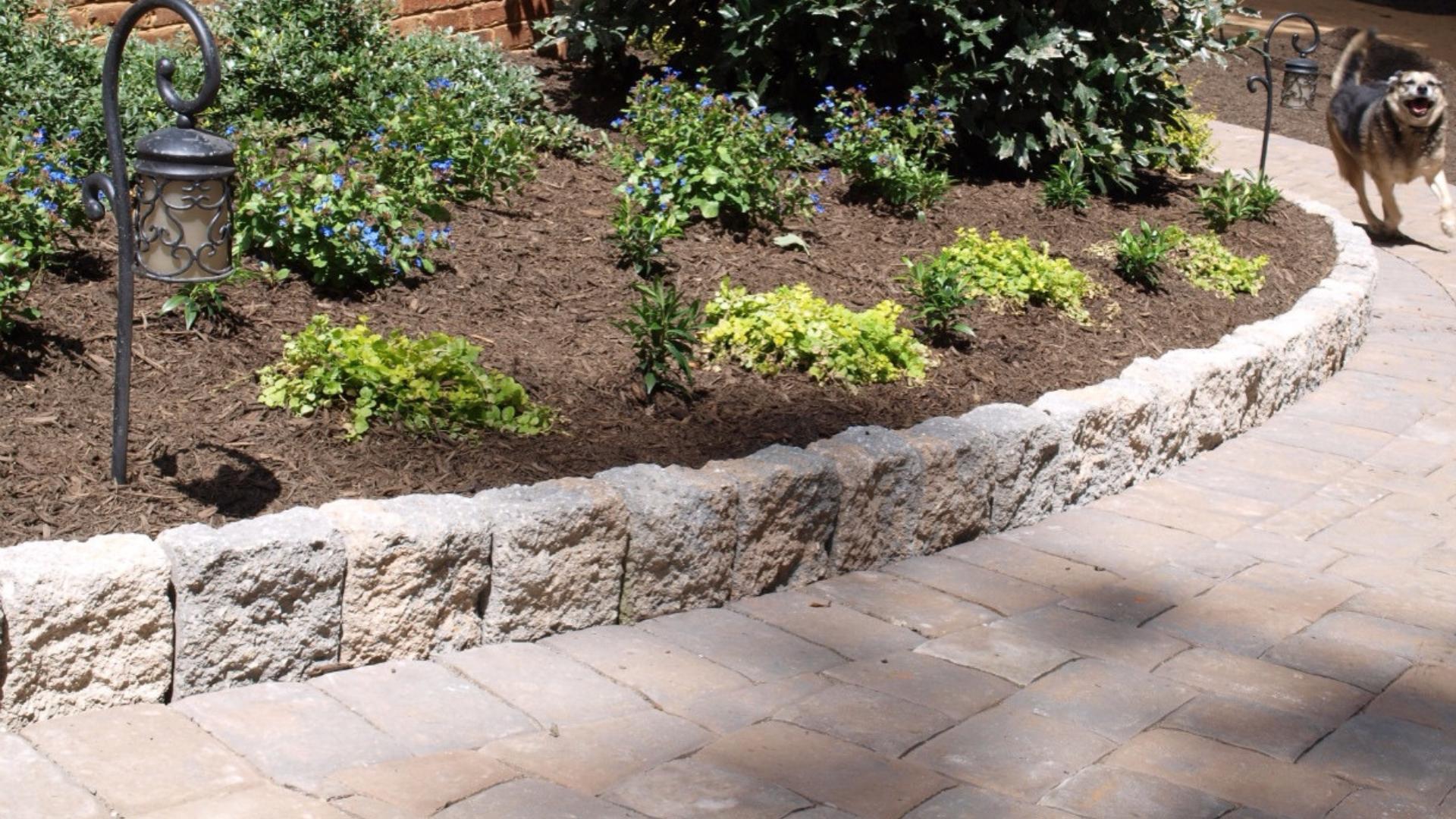
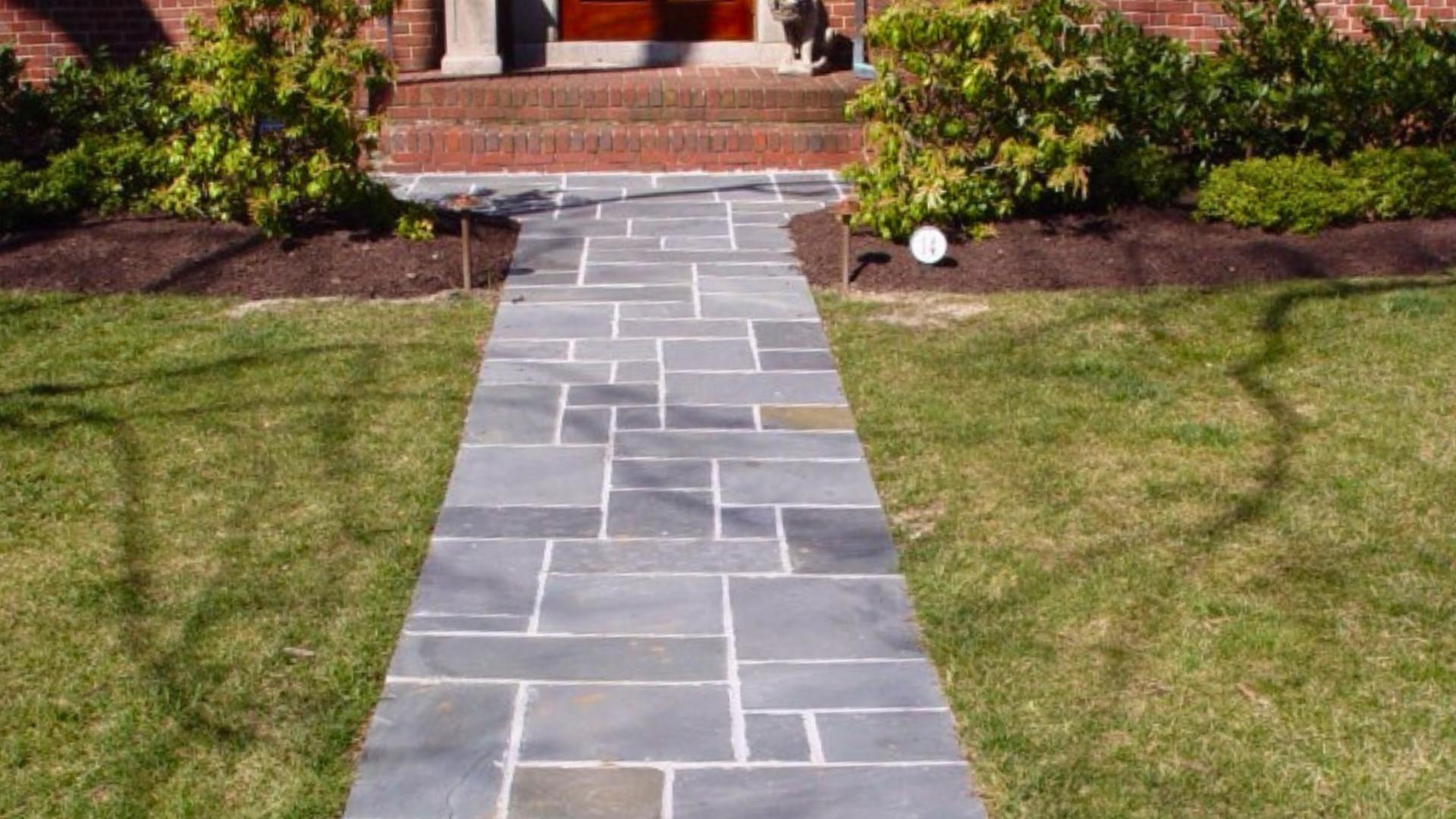
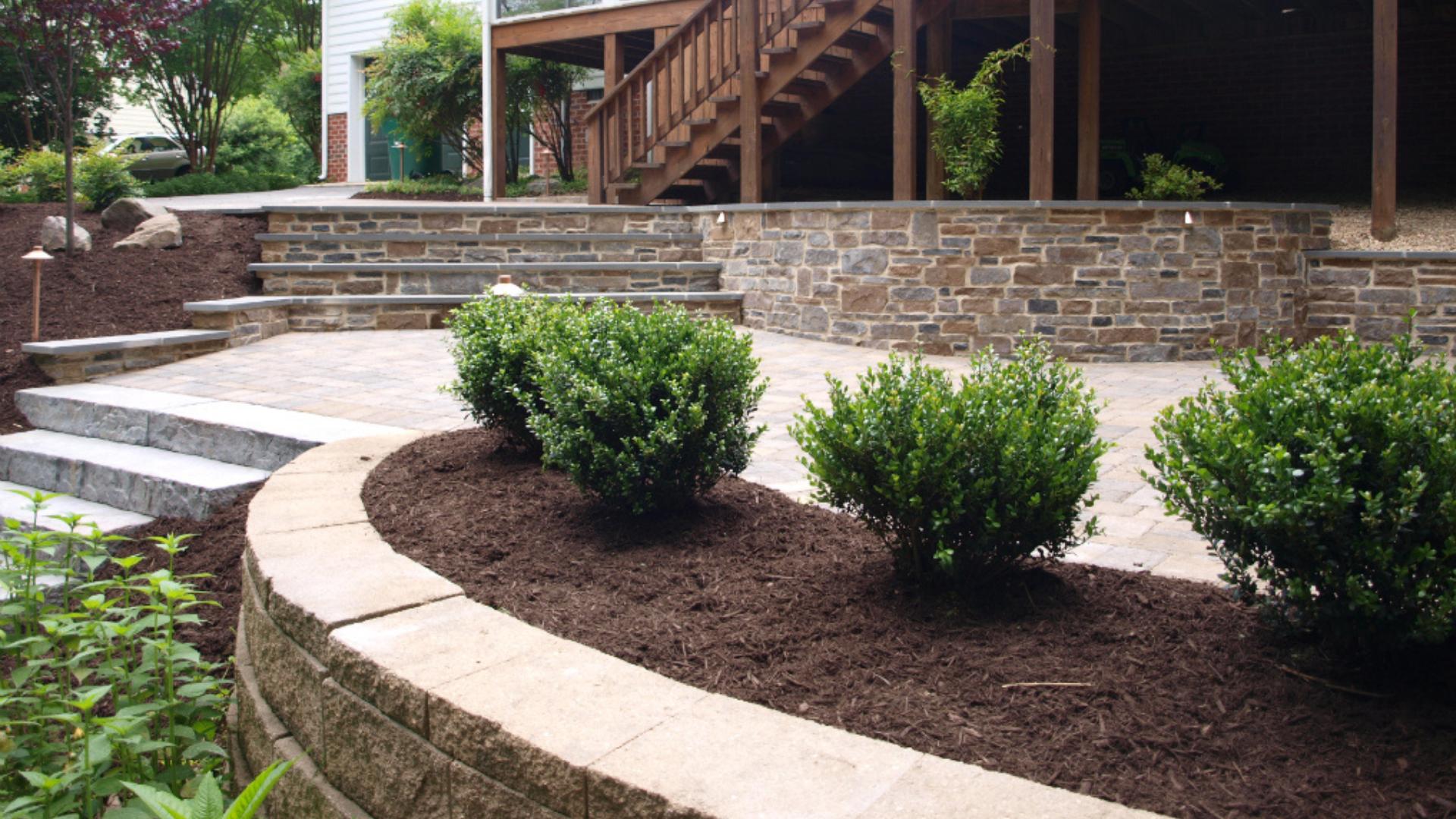
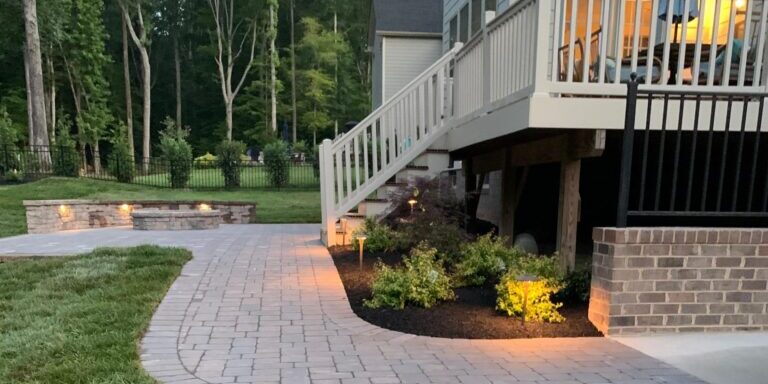
See the Difference: Our Walkway Work

Meet our Sales Team
Exceptional service starts with exceptional people. Set up a visit to meet your project lead.

Bill Gallagher
Owner & Sales Manager
Jim Gallagher
Owner & Sales Manager
Preston Gravatt
RVA: Sales Associate
Our Service Areas
The Central Virginia area is our home, and we're proud to do our part to keep it green and beautiful. Our service areas include:
The Richmond, Virginia, area:
Richmond, Virginia, neighborhoods:
Don’t see your area listed? No problem!
Call (804) 514-4610 to learn whether your location is within our reach.

The Central Virginia area is our home, and we're proud to do our part to keep it green and beautiful. Our service areas include:
The Williamsburg, Virginia, area:
Williamsburg, Virginia, neighborhoods:
Don’t see your area listed? No problem!
Call (757) 903-5063 to learn whether your location is within our reach.

Related Resources

11 Backyard Hardscape Ideas to Jazz Up Your Space
January 21, 2025
How Much Does a Paver Patio Cost in Central Virginia?
June 18, 2026
Types of Landscape Lighting: A Homeowner’s Guide to Uplights, Path Lights, and More
August 17, 2025