
Hear From Homeowners We've Built For









Your Fireplace Project, Step by Step
01 | Schedule
Choose a convenient time to meet and fill out a few quick details about the services you're interested in.
02 | Prepare
Watch our short pre-meeting video, think through your budget, and explore our website to make sure we’re the right fit for your project.
03 | Meet
A member of our sales team will meet with you on-site to walk through your goals and explore the best options for your space.
04 | Approve
You’ll receive a detailed proposal within 24 hours. Once you approve it, we get straight to work.
05 | Enjoy
You’ll be connected with a dedicated point of contact who will guide you every step of the way—so you can sit back and enjoy landscaping you’re proud of!
Why Choose GSU?

Where It Sits Decides How Much You Use It
A fireplace put in the wrong spot becomes the thing everyone avoids. Our leadership holds degrees in horticulture, agronomy, and turf management, so we read the whole site before picking a location: which way the prevailing wind pushes smoke, how far the structure needs to sit from the house and any overhang, and what’s growing above it. A mature oak limb hanging over a firebox is a problem for the tree and for you. We also plan around root zones, because excavating a footing through a major root can take a tree down years later.
-
Service That Stays With You
You won’t get handed off to a stranger halfway through. One point of contact walks your project from the first design conversation to the final walkthrough, and stays reachable once you’ve had a season of fires to judge it by.
-
Built as Part of the Whole Patio
A fireplace works when the space around it works. We design and install, so the seating distance, the patio surface, the wood storage, the walls, and the lighting all get planned together instead of a fireplace landing on an existing slab as an afterthought. Planning it as one project also means the footing and any gas line go in before the patio surface does, rather than cutting into finished work later.
What an Outdoor Fireplace Costs
Every fireplace we build is custom, so pricing depends on the size of the structure, the stone or veneer you choose, whether it’s wood-burning or gas, and how much the site needs before we start. Site access for materials, hearth and chimney height, built-in wood storage, and integrated seating walls all factor in. A fireplace built as part of a new patio prices differently than one added to a space that’s already finished. For a sense of where projects typically land, see our pricing guide.
Instant Price Estimator Tool for
Outdoor Fireplaces
Who We Serve
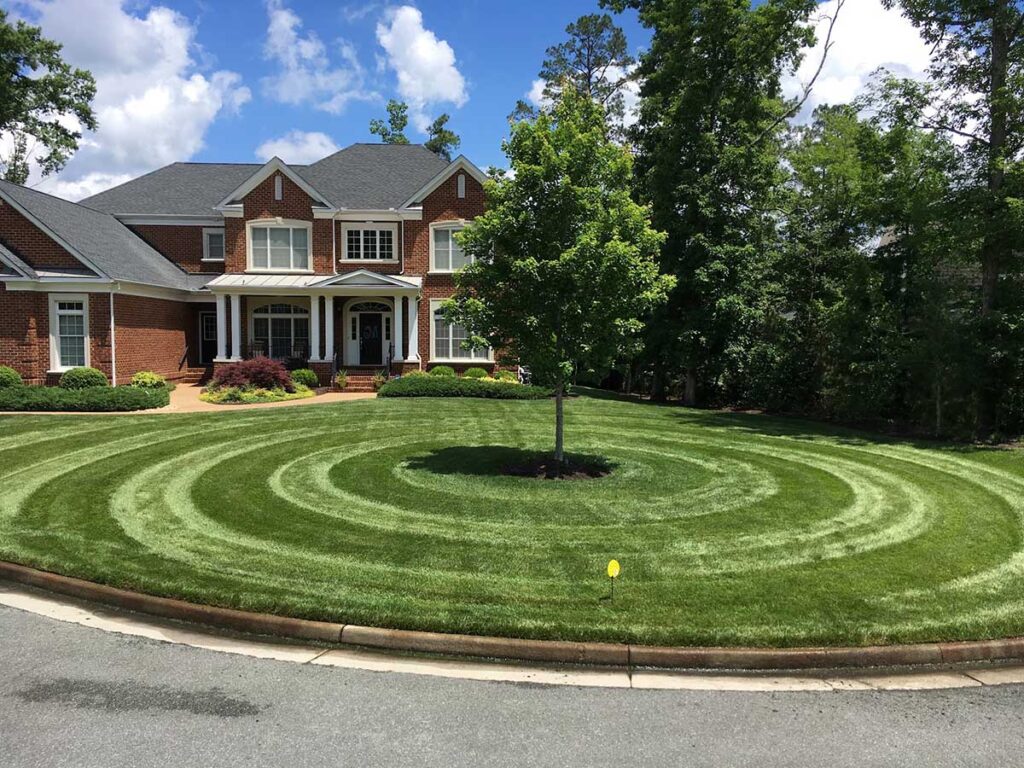
Residential Properties
Serving homeowners looking for luxury-level lawn care.
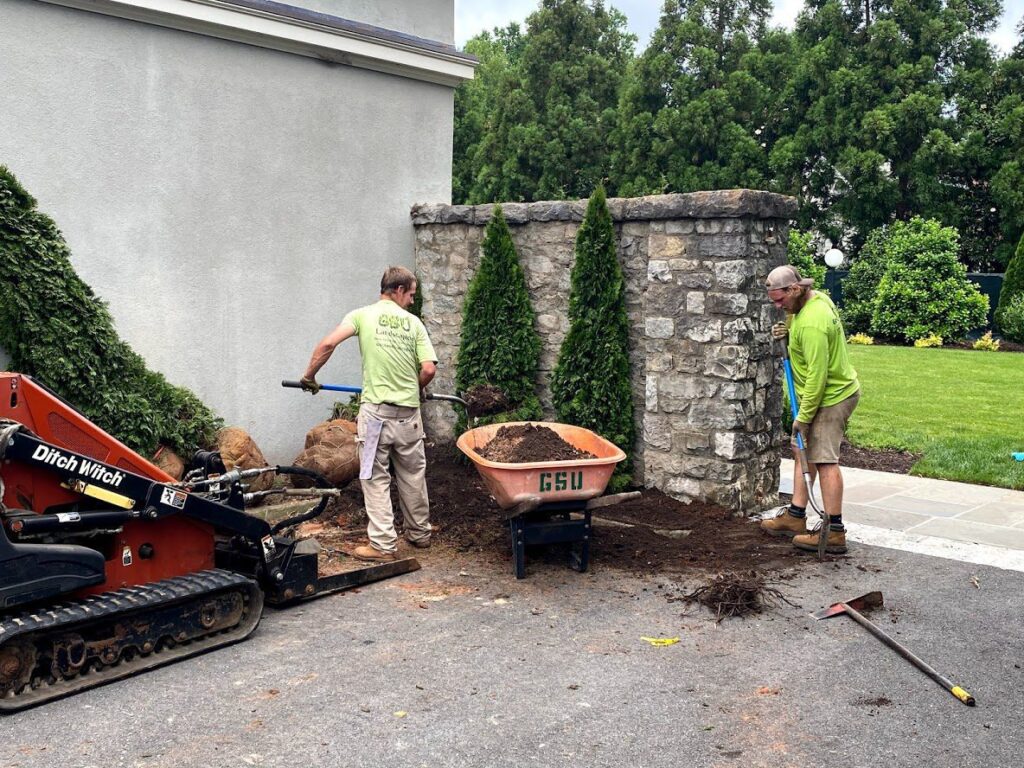
Churches & Faith-Based Organizations
Trusted to keep grounds consistently welcoming.
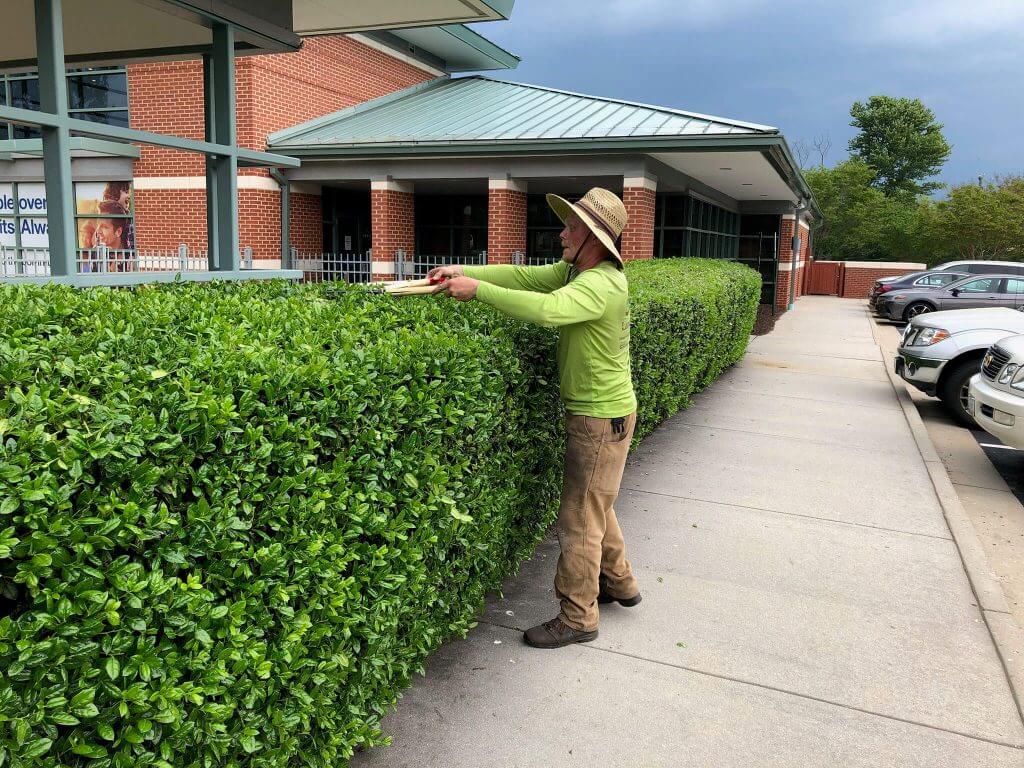
Community Spaces
Proud to keep these valuable spaces green and beautiful.




Frequently Asked Questions
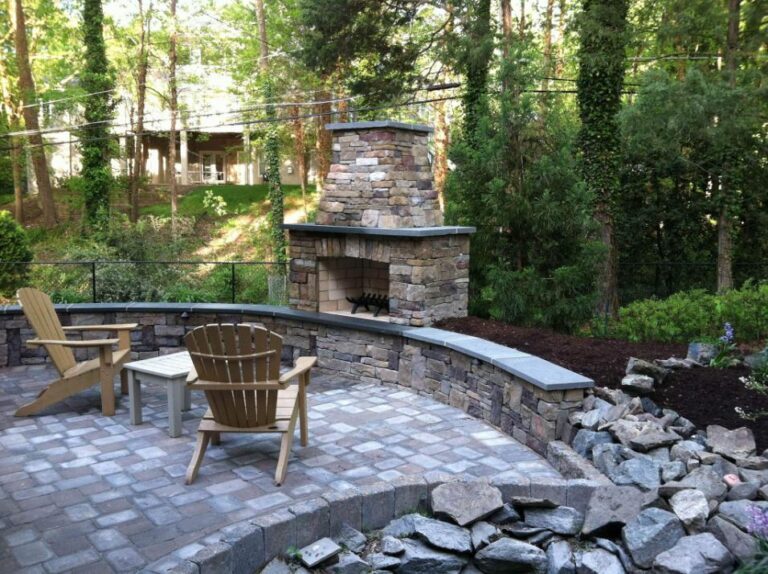
They suit different backyards. A fire pit puts everyone in a circle facing each other, seats more people, costs less, and works well in the open middle of a yard. A fireplace faces one direction, which makes it an anchor and a backdrop, throws heat forward instead of up, and blocks wind on the side it sits. Fireplaces also carry the smoke up and away through a chimney rather than into whoever’s downwind. If you want a gathering spot for a crowd, lean pit. If you want a focal point that extends your patio into cool weather and doubles as an outdoor room wall, lean fireplace. We build both and will tell you which fits your space.
Wood gives you the crackle, the smell, and more heat, at the cost of hauling and storing logs, waiting for the fire to build, and cleaning ash. Gas lights instantly, shuts off when you go inside, produces no smoke or ash, and needs a gas line run to the structure plus a permit for that connection. Households that host on short notice tend to be happier with gas. Households that treat the fire as the evening’s activity usually want wood. We build either, and we can plan a wood-burning firebox with a gas starter if you want a middle path.
That comes down to the firebox proportions and the chimney height, and it’s where a lot of outdoor fireplaces disappoint. The opening, throat, and flue have to be sized in relation to each other for the fire to draw properly, and the chimney has to clear nearby structures and the roofline of the house so wind doesn’t push smoke back down. Siting matters too, since a fireplace tucked tight against a house or a slope can fight air movement no matter how it’s built. We plan the proportions and the placement together rather than treating the chimney as a decorative stack.
Frequently both. If your fireplace runs on gas, that connection typically needs a permit and inspection through your county, whether that’s Henrico, Chesterfield, Hanover, or James City County. Localities also set setback distances from property lines and structures, and some have rules about open burning. Many HOA communities around Midlothian, Glen Allen, and Short Pump want sign-off on built structures and their materials before work starts. We handle permitting on the trades we coordinate and help you prepare what the board needs.
Often, yes. The question is whether the patio can carry it, since a masonry fireplace is heavy and needs a footing beneath it rather than resting on a paver surface. We’ll look at how your patio was built and how much room the structure needs behind and around it for clearance and seating. Sometimes it means opening a section of the patio to pour a footing and resetting the pavers around the finished structure. If the patio is undersized or sitting on a weak base, we’ll be straight with you about that before you spend money on a fireplace that ends up crowded or unstable.
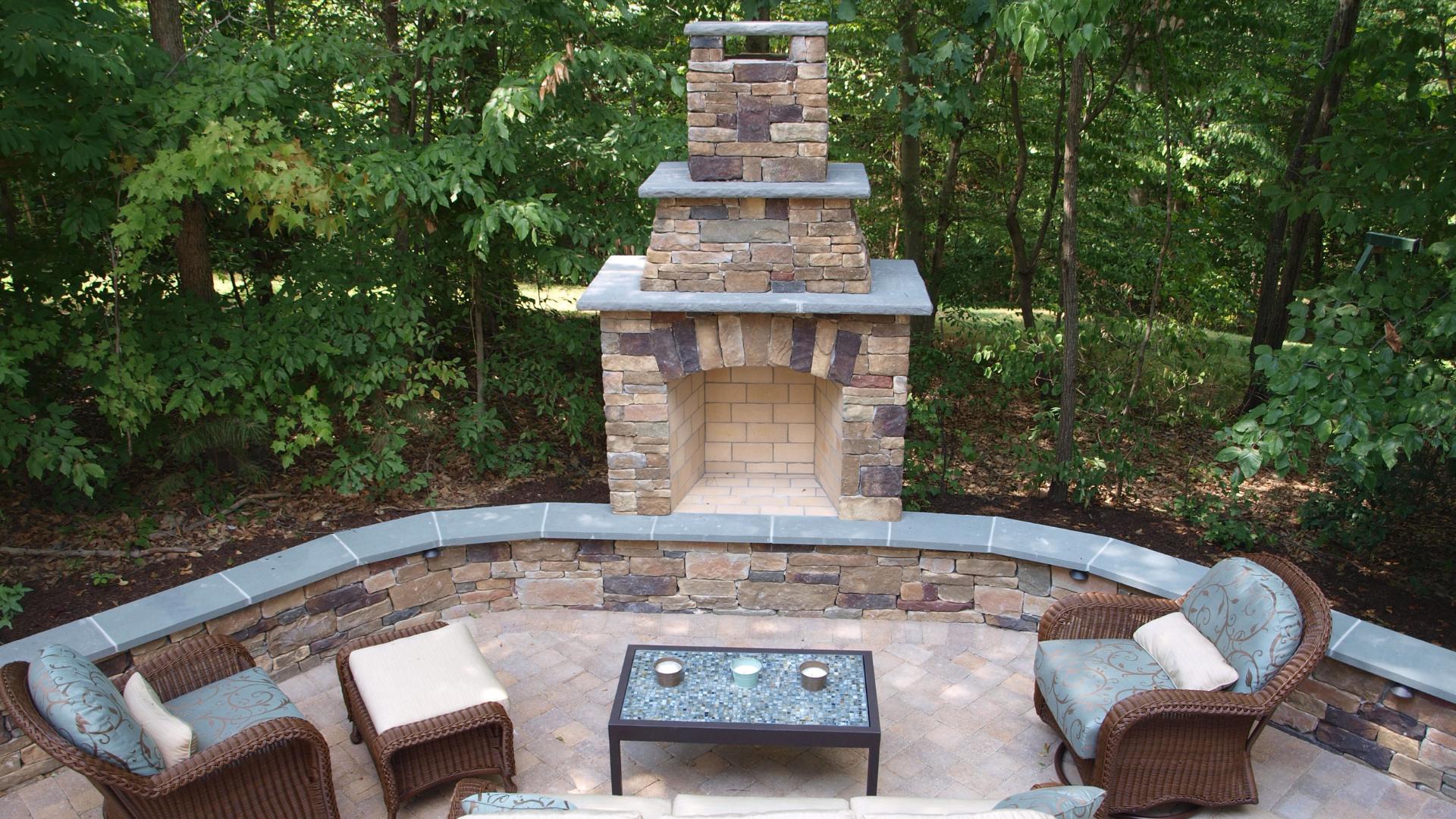
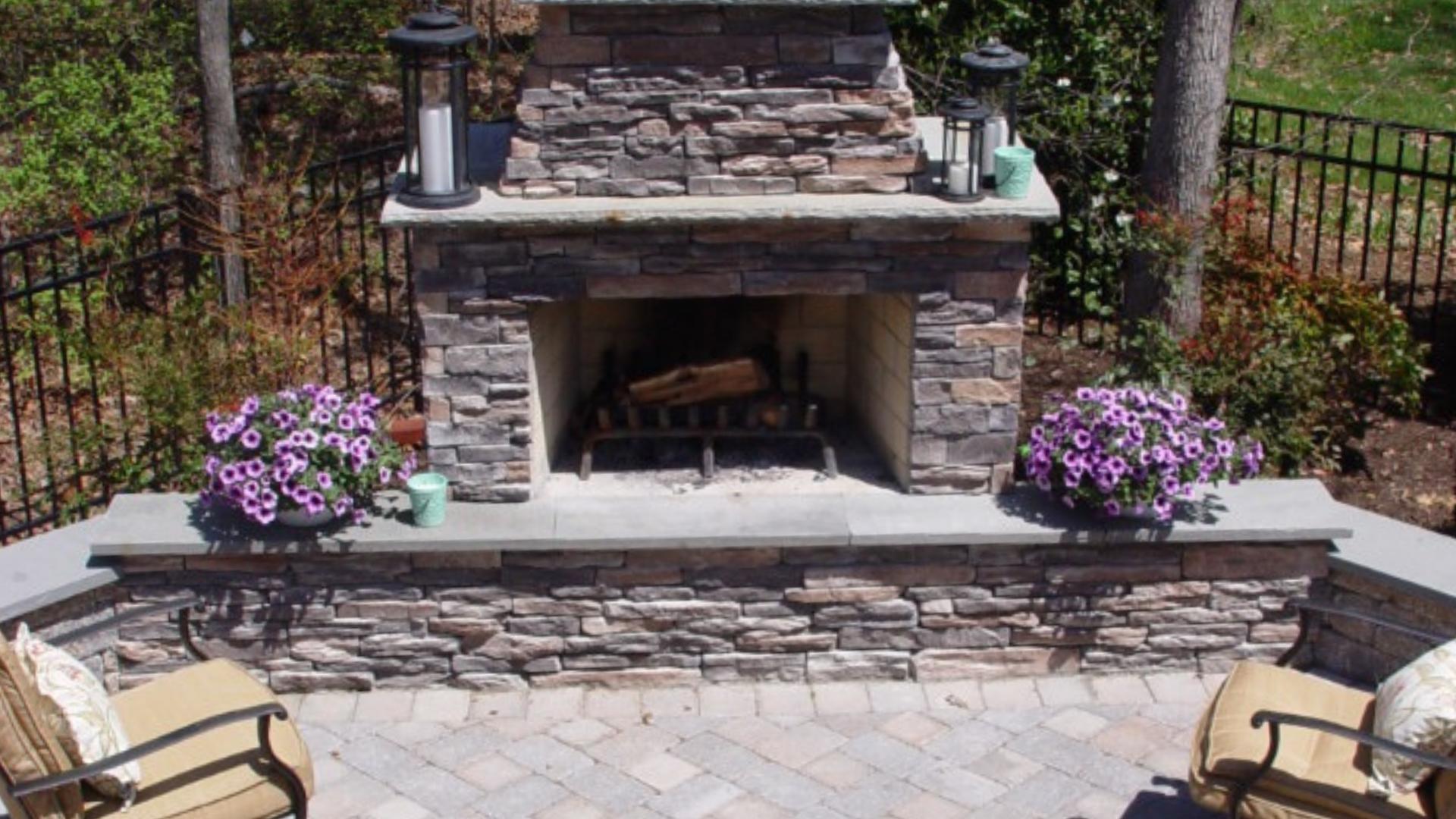
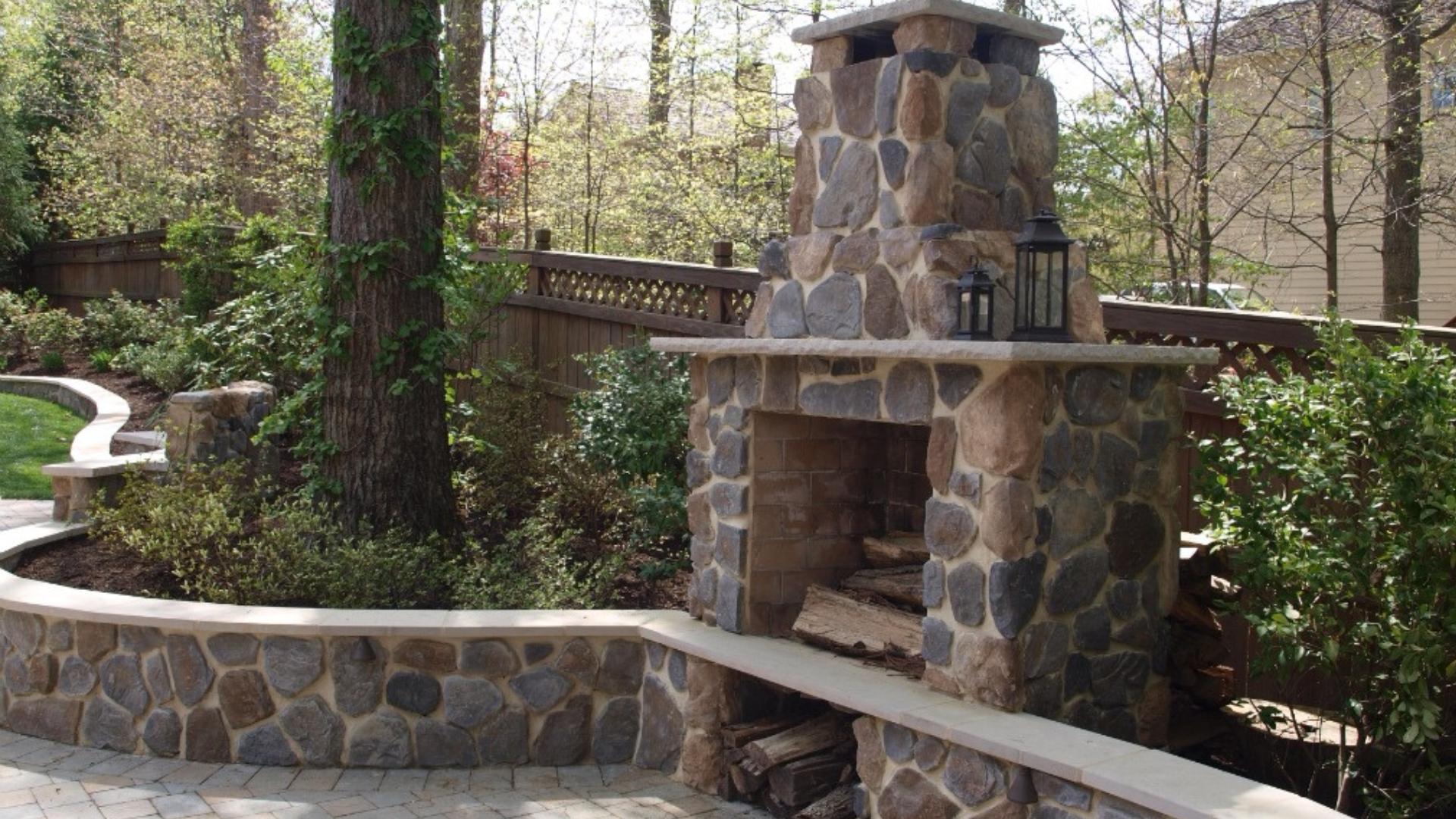
See the Difference: Our Fireplace Work
Meet our Sales Team
Exceptional service starts with exceptional people. Set up a visit to meet your project lead.

Bill Gallagher
Owner & Sales Manager
Jim Gallagher
Owner & Sales Manager
Preston Gravatt
RVA: Sales Associate
Our Service Areas
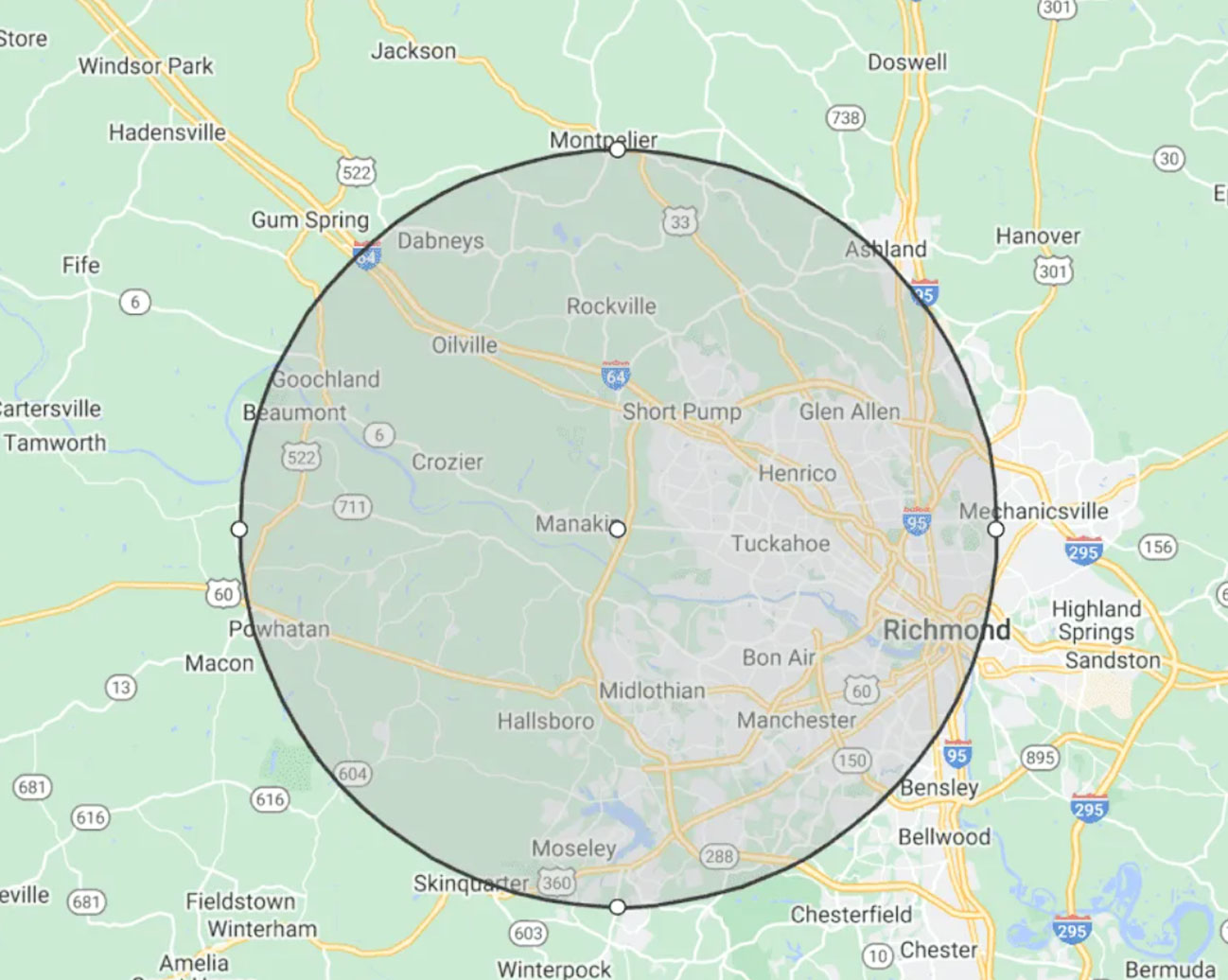
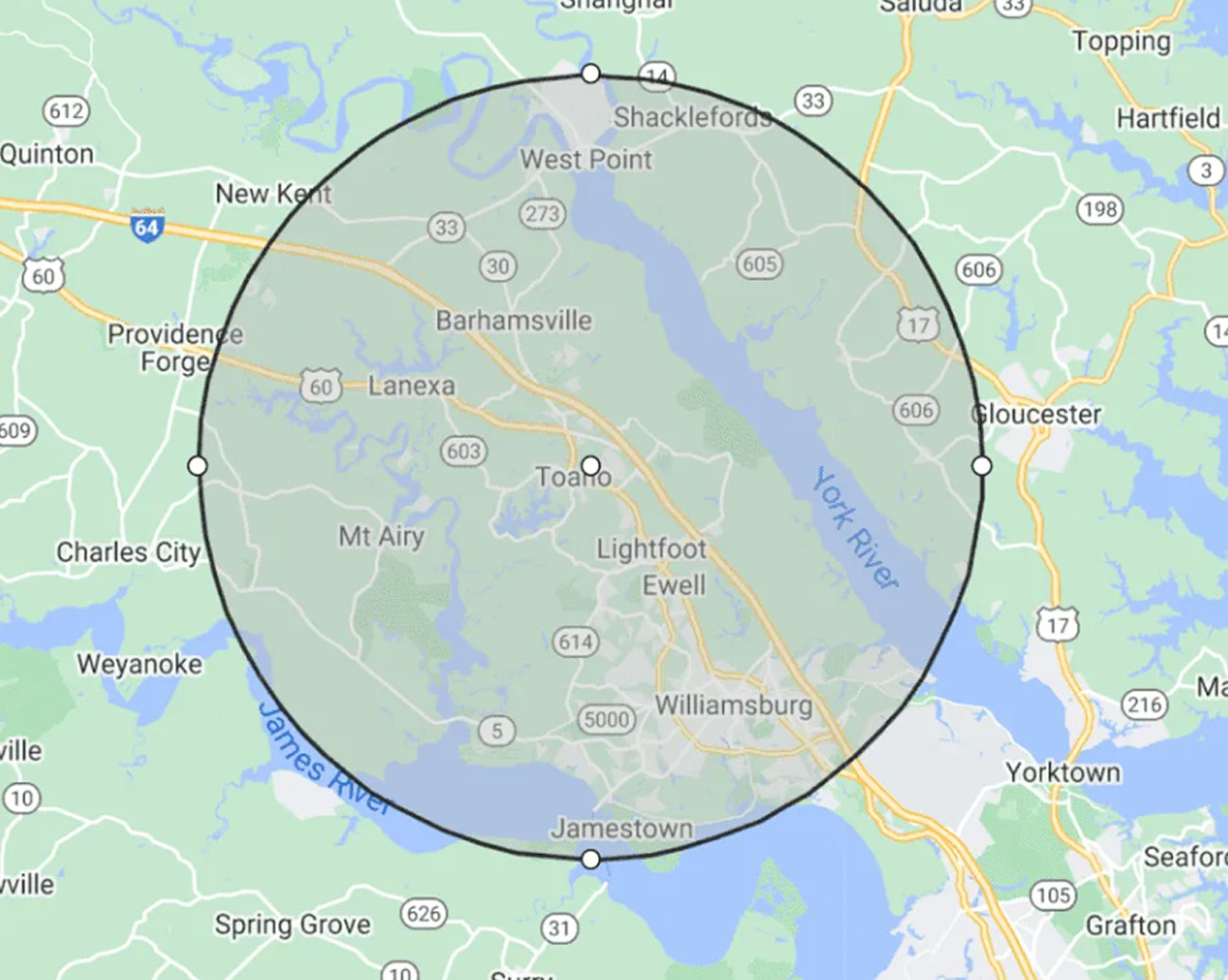
The Central Virginia area is our home, and we're proud to do our part to keep it green and beautiful. Our service areas include:
The Richmond, Virginia, area:
Richmond, Virginia, neighborhoods:
Don’t see your area listed? No problem!
Call (804) 514-4610 to learn whether your location is within our reach.
The Central Virginia area is our home, and we're proud to do our part to keep it green and beautiful. Our service areas include:
The Williamsburg, Virginia, area:
Williamsburg, Virginia, neighborhoods:
Don’t see your area listed? No problem!
Call (757) 903-5063 to learn whether your location is within our reach.
Related Resources
11 Backyard Hardscape Ideas to Jazz Up Your Space
January 21, 2025
Fire pit vs. Outdoor Fireplace
February 16, 2023
Pavers vs. Concrete Patios: Cost, Looks, and Durability Compared
March 17, 2026