
Hear From Homeowners We've Dried Out



Your Drainage Project, Step by Step
01 | Schedule
Choose a convenient time to meet and fill out a few quick details about the services you're interested in.
02 | Prepare
Watch our short pre-meeting video, think through your budget, and explore our website to make sure we’re the right fit for your project.
03 | Meet
A member of our sales team will meet with you on-site to walk through your goals and explore the best options for your space.
04 | Approve
You’ll receive a detailed proposal within 24 hours. Once you approve it, we get straight to work.
05 | Enjoy
You’ll be connected with a dedicated point of contact who will guide you every step of the way—so you can sit back and enjoy landscaping you’re proud of!
Why Choose GSU?

We Diagnose Before We Dig
Our leadership holds degrees in horticulture, agronomy, and turf management, which means soil is our field. Standing water has a cause, and it isn’t always the obvious one. Compacted clay, a grade that falls toward the house, downspouts dumping at the corner, a buried layer of construction fill: each calls for a different fix. We read the soil and watch how water actually travels across your lot, then build the thing that solves it instead of the thing that’s easiest to sell.
-
Service That Stays With You
You won’t get handed off to a stranger halfway through. One point of contact walks your project from the first site visit through the final walkthrough, and stays reachable after the first big storm rolls through so you can tell us how it performed.
-
We Put the Yard Back
A drainage contractor digs a trench and leaves. We’re landscapers, so we finish the job: regrading, fresh sod or seed, replanted beds, and a dry creek that reads as part of the landscape rather than a scar across the lawn. The goal is a yard that drains well and looks like nothing happened to it.
What Drainage Work Costs
Every drainage project is custom, because every lot moves water differently. Pricing depends on how much of the yard is affected, the method the site calls for, how far the line has to run to reach a good outlet, site access for equipment, and how much sod, planting, and restoration the yard needs afterward. A single downspout extension and a full regrade with a French drain system sit at very different points. For a sense of where projects typically land, see our pricing guide.
Instant Price Estimator Tool for
Yard Drainage
Who We Serve

Residential Properties
Serving homeowners looking for luxury-level lawn care.
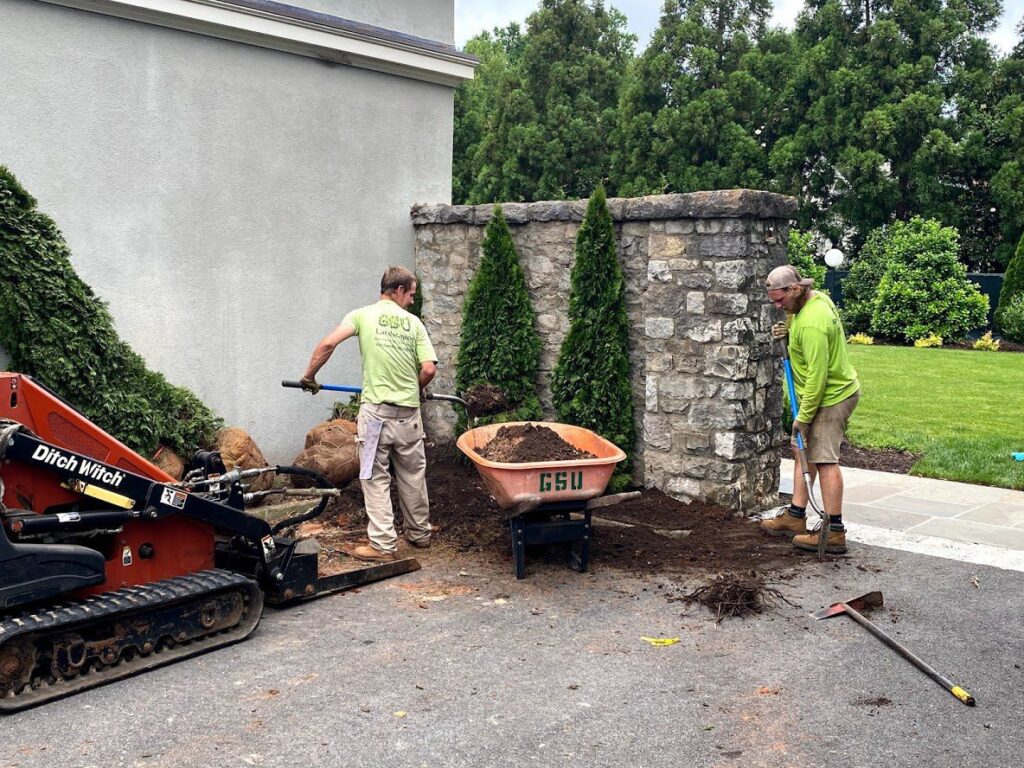
Churches & Faith-Based Organizations
Trusted to keep grounds consistently welcoming.

Community Spaces
Proud to keep these valuable spaces green and beautiful.


Frequently Asked Questions
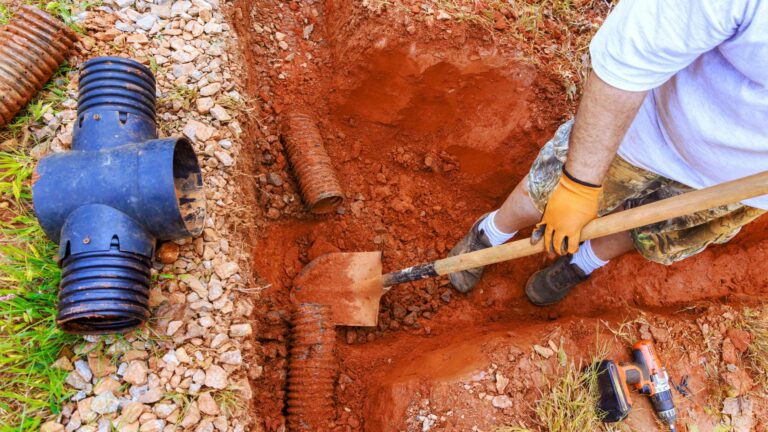
Around Richmond, the usual culprit is clay. Piedmont clay soil holds water instead of letting it soak through, so a heavy summer storm has nowhere to go but sideways or nowhere at all. Add compaction from construction equipment, a grade that falls the wrong way, or downspouts emptying right at the foundation, and water pools. Williamsburg lots run sandier and drain faster, but they’re flatter with a higher water table, so water there tends to sit in low spots rather than run off. Different problems, different fixes, which is why we walk the lot before recommending anything.
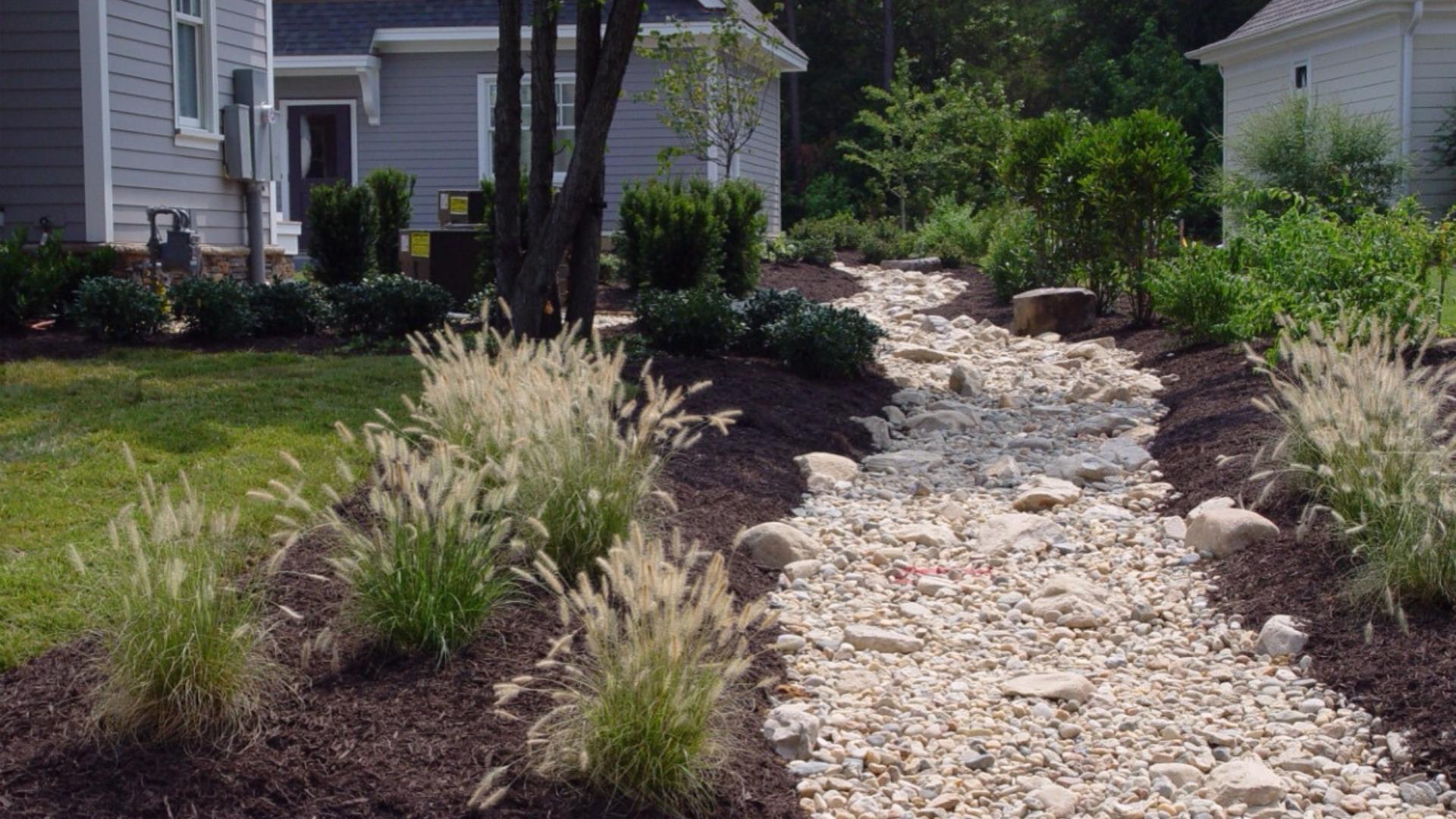
A French drain is buried: a perforated pipe in gravel that collects water underground and carries it to a better outlet. It’s the right call when the problem is saturated soil or water you want out of sight. A dry creek bed is on the surface, a shaped channel of stone that directs runoff during storms and looks like a landscape feature the rest of the time. It handles heavy surface flow and doubles as something nice to look at. Plenty of yards get both, and some just need regrading or downspouts carried farther out.
That’s the most common reason homeowners call us. We start with grade, since soil should slope away from the house, and years of settling and mulch buildup often reverse that. From there we carry downspouts well past the foundation instead of letting them dump at the corner, and add drainage where the soil stays saturated. We handle the exterior side of the problem. If water is already coming through a wall or you’re seeing structural cracks, that calls for a waterproofing or foundation contractor, and we’ll tell you straight if that’s what you’re dealing with.
There’s digging involved, so yes, there’s a stretch where the yard looks rough. Most residential drainage projects take a few days to a couple of weeks on site depending on how much trenching and regrading is needed. We restore as we go with sod or seed and replant disturbed beds, and sod knits in within a few weeks in the growing season while seed takes a full season to fill. Because we’re a landscape company, restoration is part of the job rather than something you hire out afterward.
Somewhere it can leave your property safely, which is the part that takes planning. Depending on the lot, that means daylighting the line at a low point, tying into a storm drain or swale where the county allows it, or routing to a dry well or rain garden that lets water soak in gradually. What we won’t do is solve your problem by sending it into a neighbor’s yard. Some counties and HOA communities around Midlothian, Glen Allen, and Short Pump have rules about discharge points and grading changes, and we’ll sort out what your site allows during the site visit.
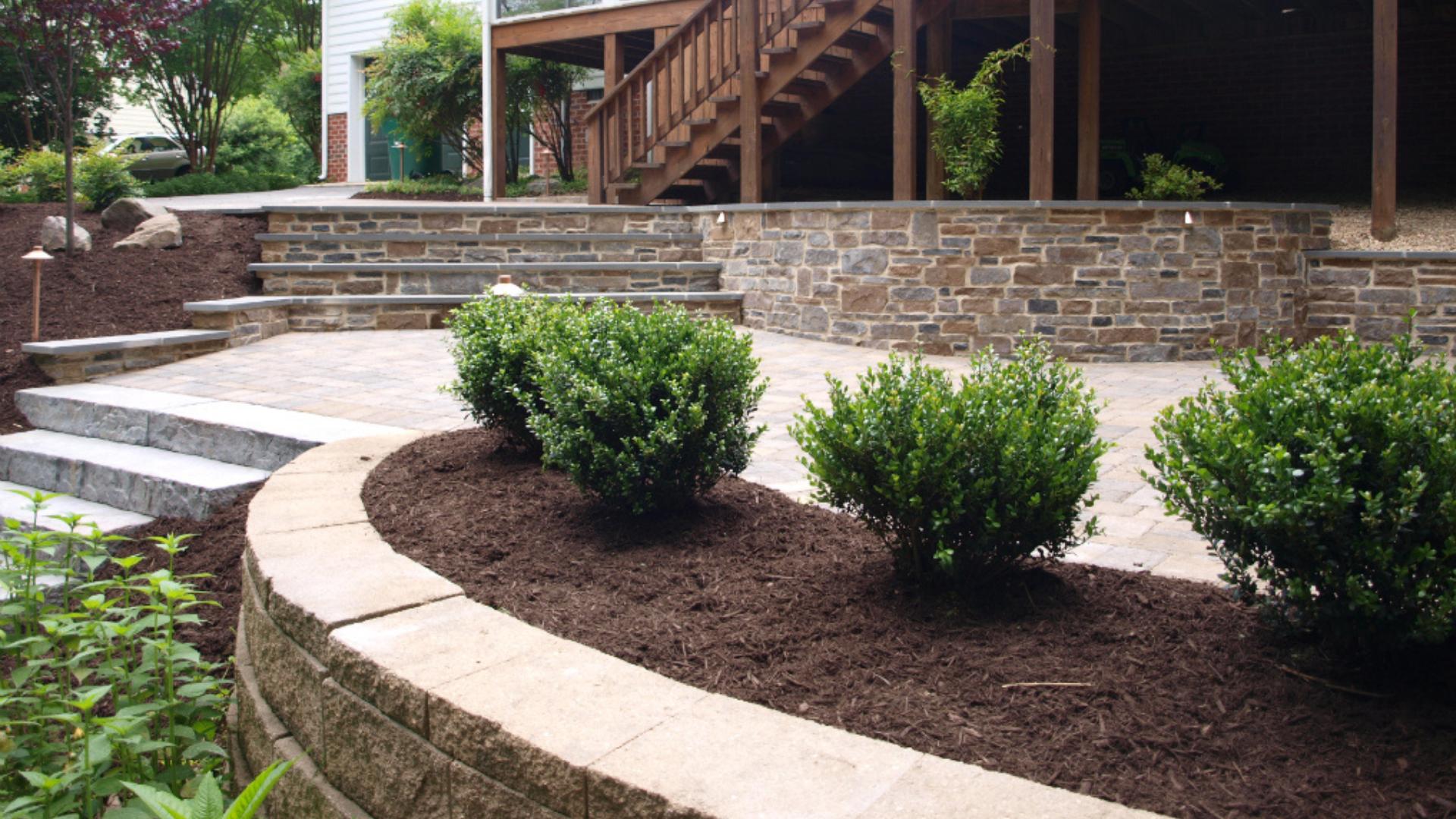
See the Difference: Our Drainage Work

Meet our Sales Team
Exceptional service starts with exceptional people. Set up a visit to meet your project lead.

Bill Gallagher
Owner & Sales Manager
Jim Gallagher
Owner & Sales Manager
Preston Gravatt
RVA: Sales Associate
Our Service Areas
The Central Virginia area is our home, and we're proud to do our part to keep it green and beautiful. Our service areas include:
The Richmond, Virginia, area:
Richmond, Virginia, neighborhoods:
Don’t see your area listed? No problem!
Call (804) 514-4610 to learn whether your location is within our reach.

The Central Virginia area is our home, and we're proud to do our part to keep it green and beautiful. Our service areas include:
The Williamsburg, Virginia, area:
Williamsburg, Virginia, neighborhoods:
Don’t see your area listed? No problem!
Call (757) 903-5063 to learn whether your location is within our reach.

Related Resources

How Much Does Landscape Design Cost?
March 9, 2026
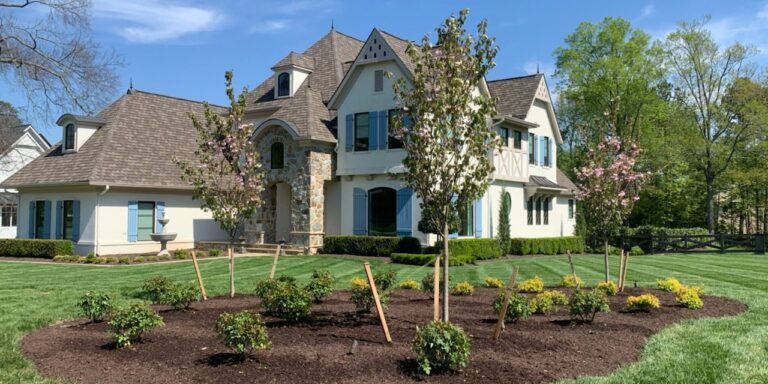
Low Maintenance Front Yard Landscaping For Busy Homeowners
February 14, 2023

What to Expect from a Professional Landscape Maintenance Company
October 23, 2024