Irrigation Services We Provide
GSU services existing systems through the year and installs new ones.
-
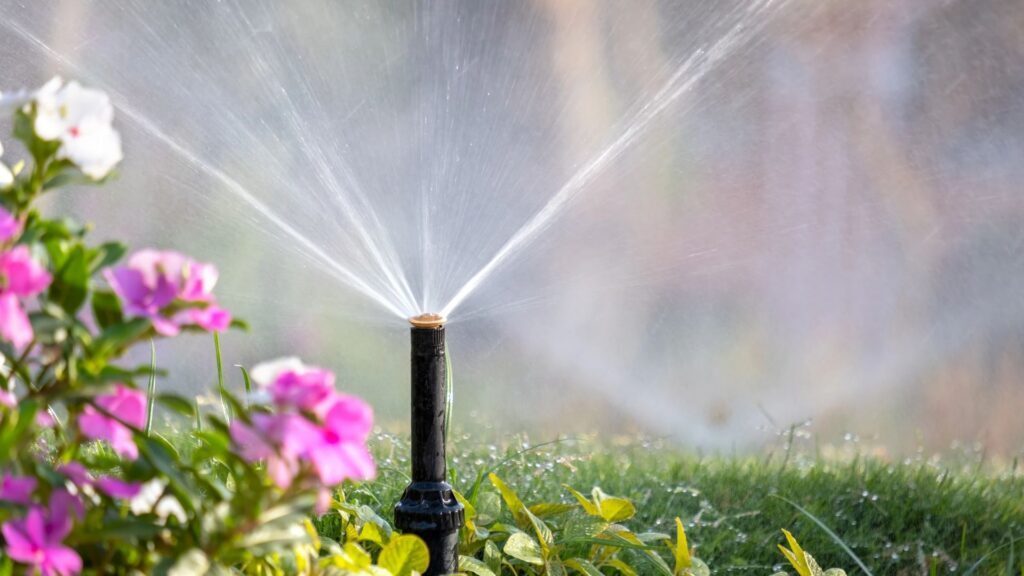
Spring Startup
In March or April, once the hard-freeze risk has passed, we turn the system back on.
-
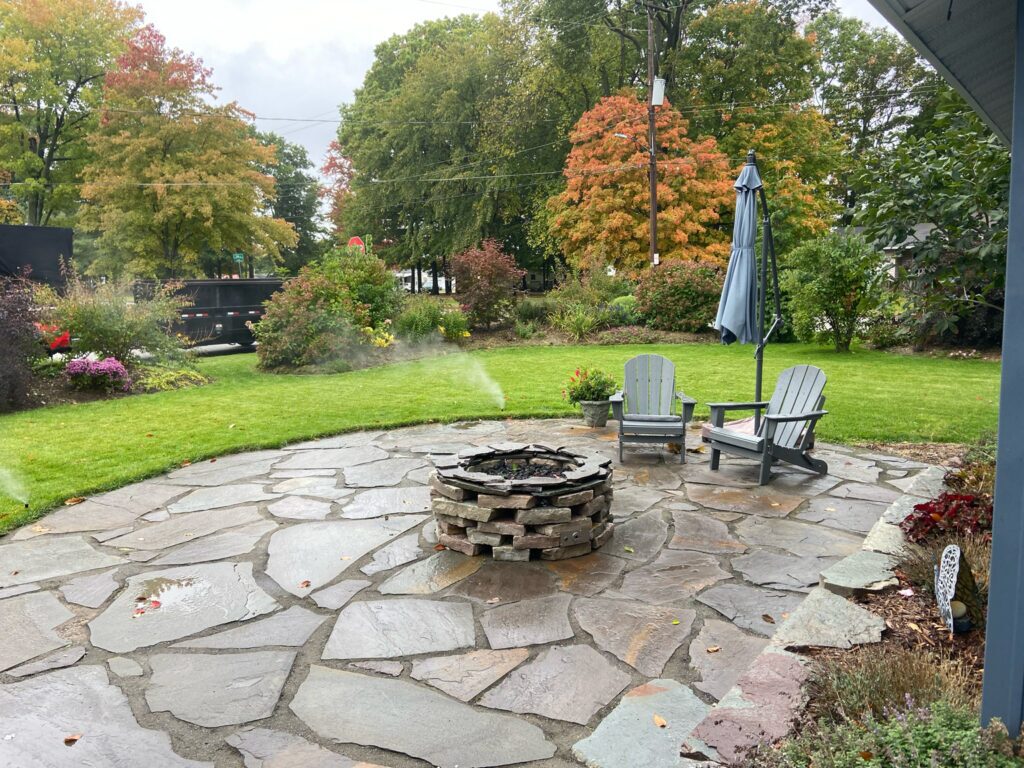
Fall Winterization
Before the first hard freeze, usually in November, crews blow water out of the lines, heads, and backflow preventer.
-
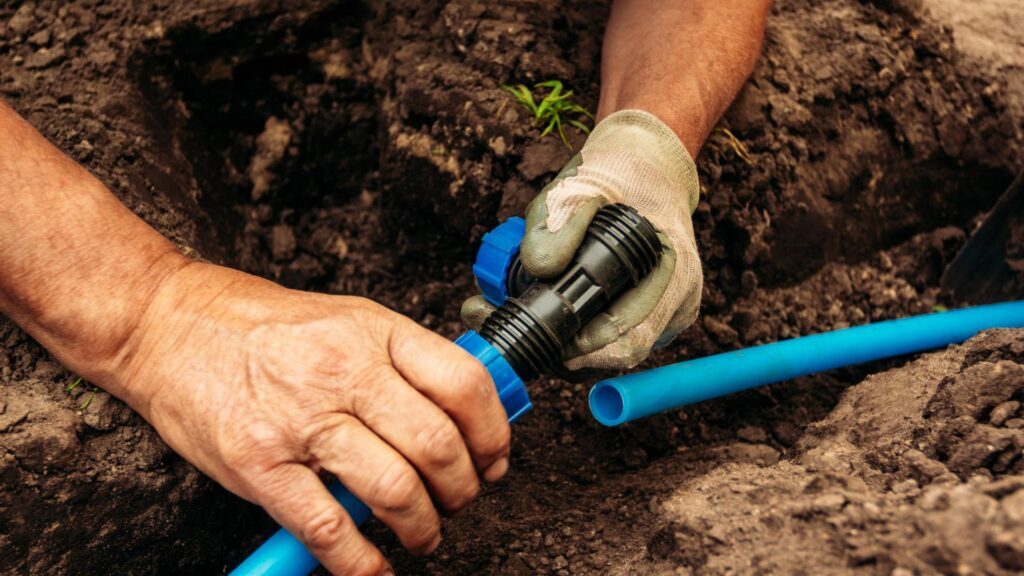
Repairs
We fix misaligned or clogged heads, failed zone valves, cracked backflow preventers, and lateral lines cracked by freezing.
-
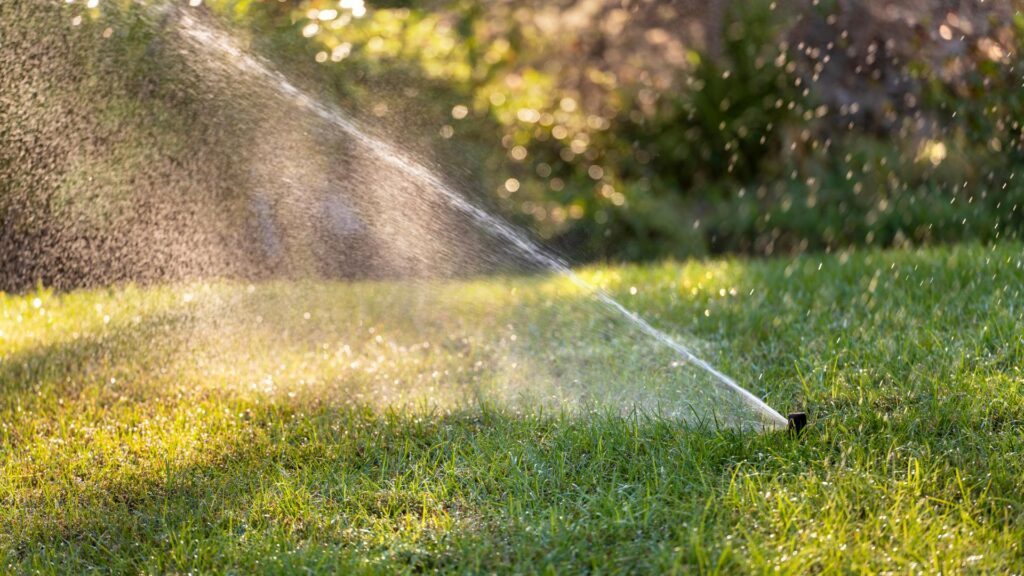
Controller Programming
We set controllers by soil type, zone, and season. On clay, shorter cycles with soak time between them keep water from running off.
-
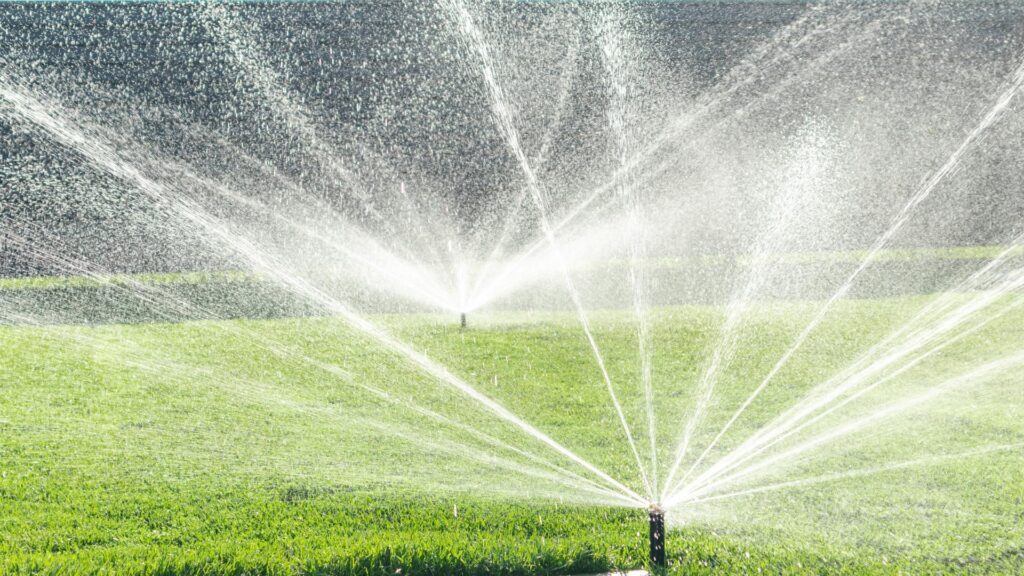
New System Installs
New systems are best planned alongside sod, seeding, or new beds, because new plantings need consistent water their first season.
What Our Clients Say









Your Irrigation Service, Step by Step
01 | Schedule
Choose a convenient time to meet and fill out a few quick details about the services you're interested in.
02 | Prepare
Watch our short pre-meeting video, think through your budget, and explore our website to make sure we’re the right fit for your project.
03 | Meet
A member of our sales team will meet with you on-site to walk through your goals and explore the best options for your space.
04 | Approve
You’ll receive a detailed proposal within 24 hours. Once you approve it, we get straight to work.
05 | Enjoy
You’ll be connected with a dedicated point of contact who will guide you every step of the way—so you can sit back and enjoy landscaping you’re proud of!
Why Choose GSU?

Watering Is Agronomy, Not Plumbing
Most irrigation contractors come at this as pipe work. Our leadership holds degrees in horticulture, agronomy, and turf management, so we set a system around what the plants need. Virginia’s clay soil takes water slowly, which means a long run all at once mostly runs off into the street. Shorter cycles with soak time between them get water down to the root zone where it does something. And in our humidity, watering too often or too late in the day keeps grass blades wet overnight and invites fungus. Run times get set by zone, by plant, and by season rather than one schedule for the whole yard.
-
Service That Stays With You
You won’t get handed off to a stranger halfway through. One point of contact handles your startup, winterization, and any repairs in between, and stays reachable when something looks off mid-season.
-
Someone's on Your Property Every Week
A broken head or a zone that quit running can go unnoticed for weeks, and you usually find out when a patch of lawn browns out. Our maintenance crews are on your property through the growing season, so problems tend to get spotted while they’re still small. That’s the advantage of having the company that waters your lawn also be the company that mows it.
How We Fix Dry Spots and Wasted Water
Brown patches in a watered lawn usually mean a coverage problem. We find out where the water is landing before changing anything.
1. Zone-by-Zone Test
Technicians turn on each zone and watch where the water lands.
2. Head Alignment and Cleaning
We realign heads that have drifted, clear clogs, and deal with plants blocking the spray.
3. Valve and Line Check
A zone that won’t come on points to a failed valve. A cracked lateral line means digging to find the break.
4. Turf and Bed Run Times
A run time that suits turf can shortchange beds on the same zone. We fix this with the heads, the timing, or both.
5. Schedule for Deep Roots
The controller waters less often and more deeply, early in the morning. Frequent light watering keeps roots shallow, and grass left wet overnight invites fungus.
6. Weekly Eyes on the System
Maintenance crews are on site every week in the growing season and catch problems early.
What It Costs
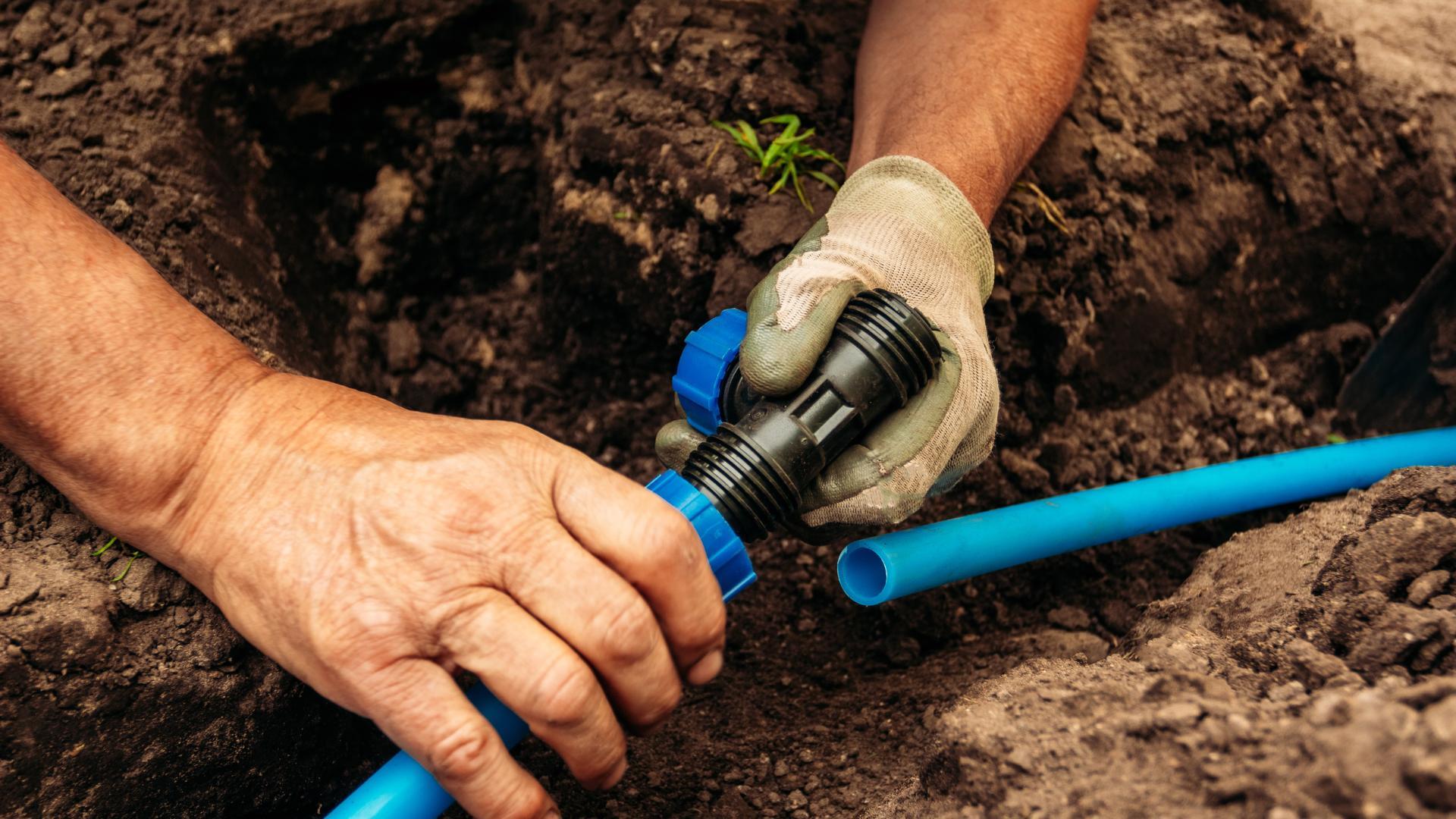
Irrigation service is an optional add-on to both of our maintenance plans, and it covers two visits a year: spring startup and fall winterization of your existing system. On a plan, those visits fold into your plan rather than landing as separate charges.
- The Garden Care Package, built for properties that want consistent bed care and seasonal upkeep without full lawn mowing.
- The Total Maintenance Package, our full-service plan for mowing, beds, and turf.
Repairs are priced by what the system needs. A new install is custom, so it depends on the size of the property, the number of zones, the water source, and how much of the yard has to be trenched. For what each plan includes, see our Landscape Maintenance page. For a fuller cost breakdown, see our pricing guide.
Who We Serve
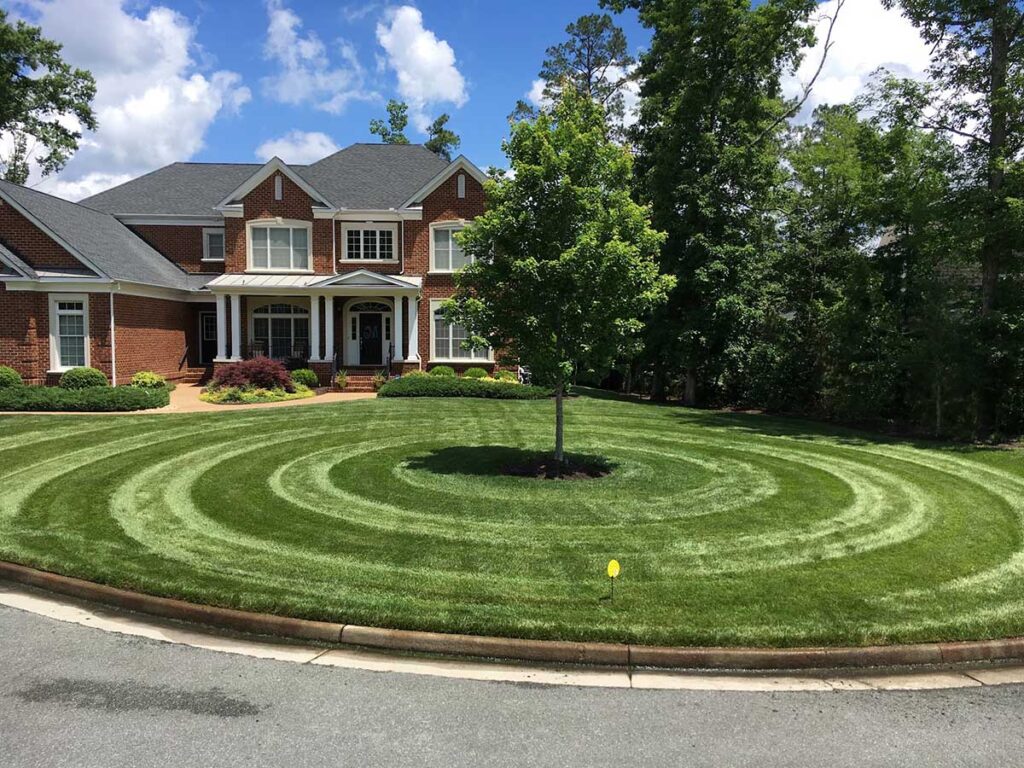
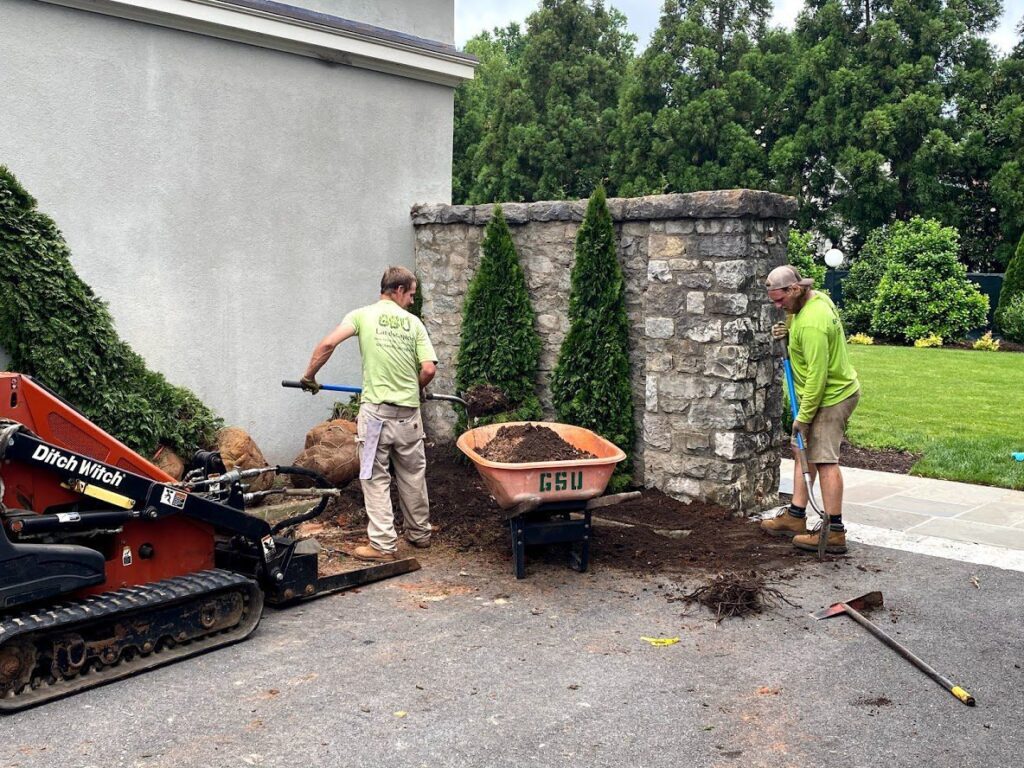
Residential Properties
Serving homeowners looking for luxury-level lawn care.
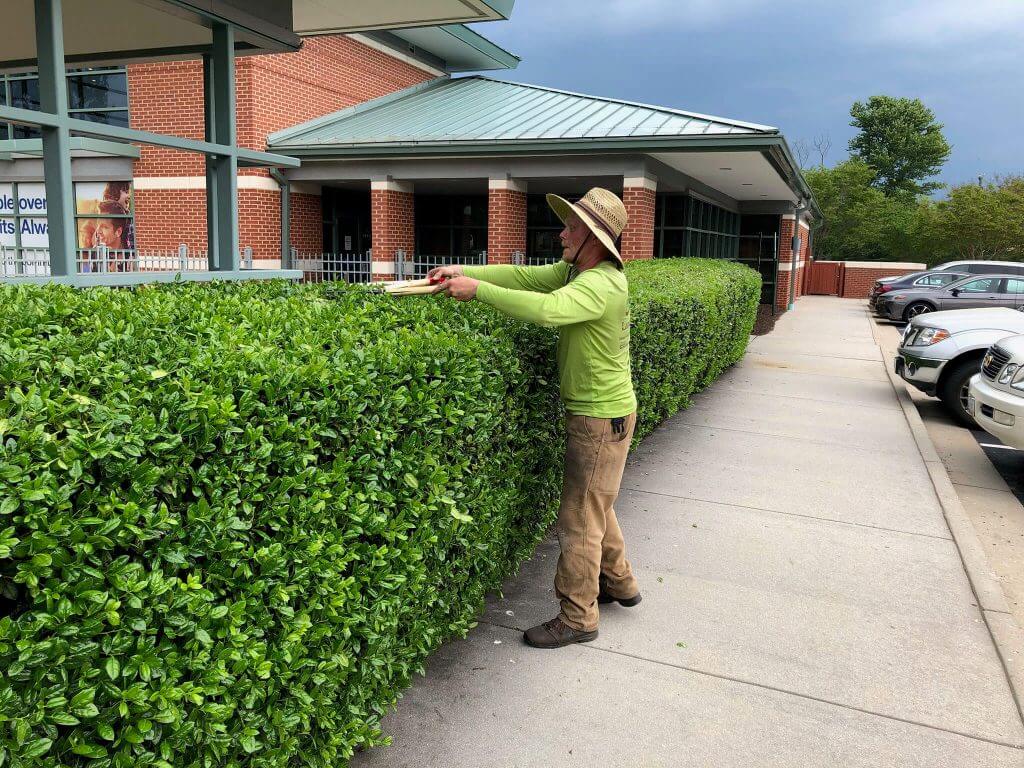
Churches & Faith-Based Organizations
Trusted to keep grounds consistently welcoming.
Community Spaces
Proud to keep these valuable spaces green and beautiful.
Frequently Asked Questions
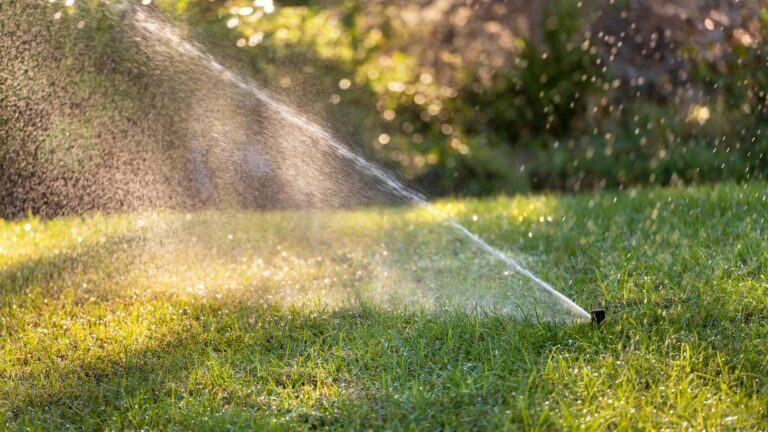
Spring startup usually lands somewhere in March or April, once the threat of a hard freeze has passed and the lawn is waking up. Winterization needs to happen before the first hard freeze, which in this part of Virginia typically means sometime in November. Both dates move a bit year to year with the weather, and on a maintenance plan we schedule them for you rather than leaving it to you to watch the forecast.
Water left sitting in the lines, heads, and backflow device expands when it freezes, and that pressure cracks components. The backflow preventer is usually the expensive casualty, and cracked lateral lines mean digging to find the break in spring. A winterization visit blows the water out of the system so there’s nothing left to freeze. It’s one of the cheaper visits of the year and it prevents one of the more annoying repairs.
Less often than most people think, and deeper each time. Frequent light watering trains roots to stay near the surface, which leaves the lawn helpless in a July dry spell. Longer, less frequent cycles push roots down. Early morning is the window to aim for, since watering in the evening leaves grass wet overnight in our humidity and invites disease. Over clay, breaking a long run into shorter cycles with soak time between them keeps water from sheeting off instead of soaking in. We set your controller around your soil, your zones, and the season.
Usually coverage rather than volume. Heads drift out of alignment, get blocked by grown-in plants, or clog and stop throwing their full pattern, which leaves gaps between zones where nothing lands. Sometimes a zone valve has failed and that section isn’t running at all. Sometimes the run time is fine for turf but wrong for beds sharing the same zone. We run the system zone by zone, watch where water is actually landing, and correct the heads, the timing, or both.
Both. Startup, winterization, and repairs on existing systems are part of what our maintenance clients add to their plans. We also install irrigation on properties that don’t have it, and it’s worth planning when we’re already putting in sod, seeding, or new beds, since establishing new turf and plantings takes consistent water in the first season. If you’re weighing whether your property needs a system at all, that’s a good conversation for the site visit.
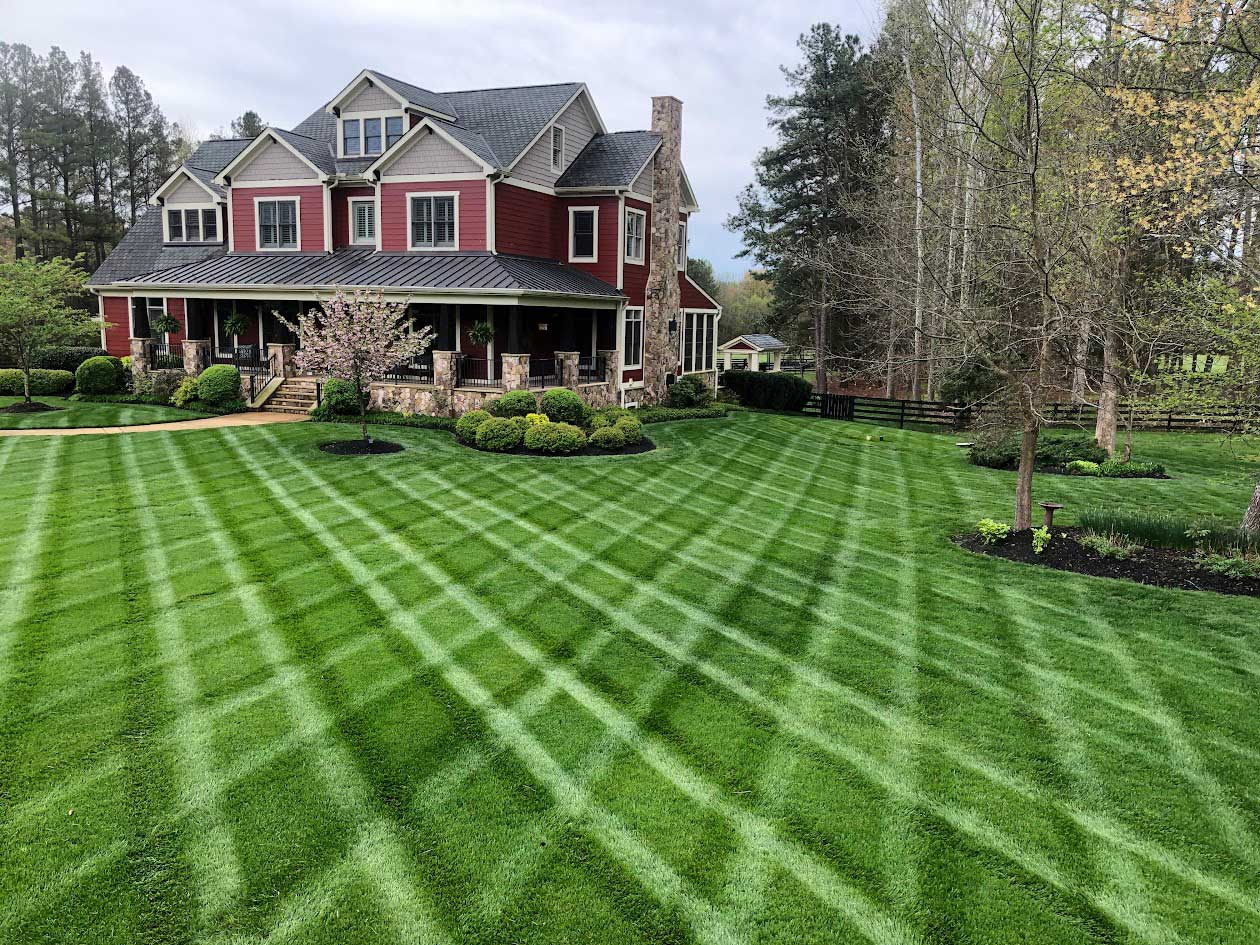
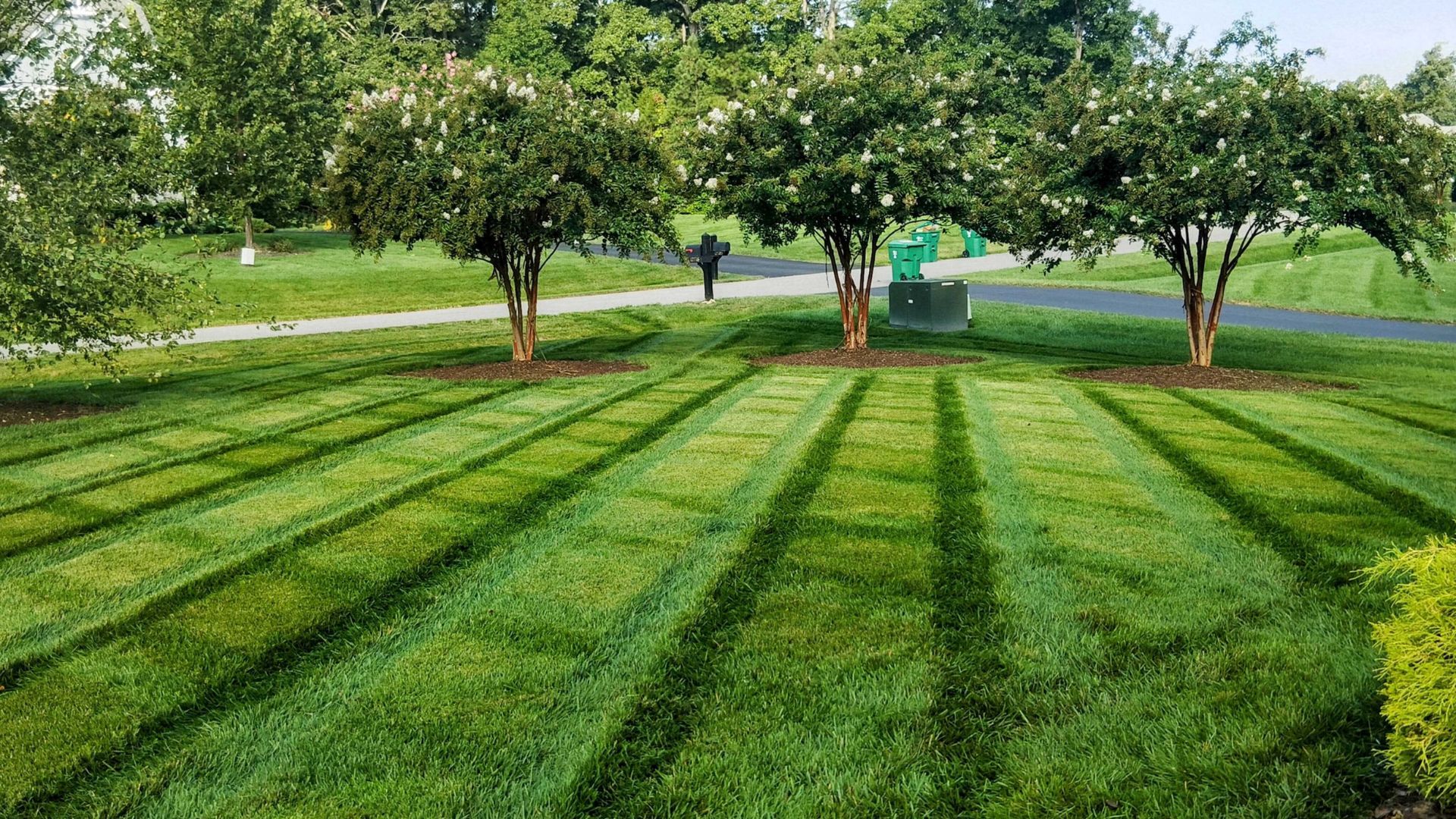
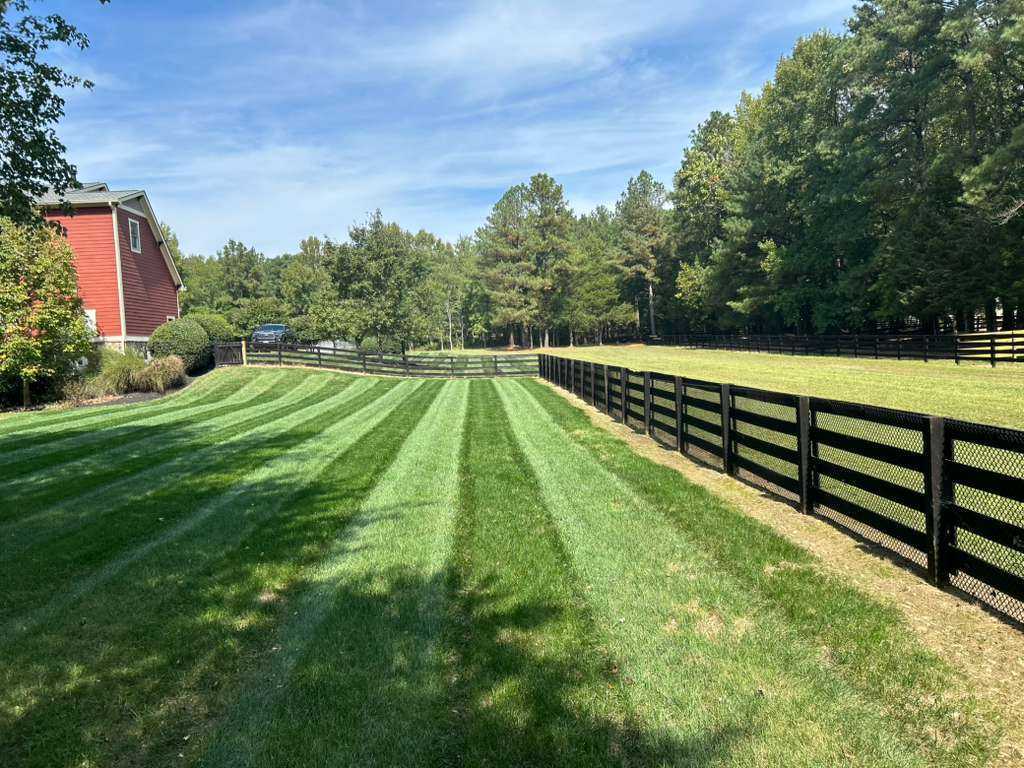
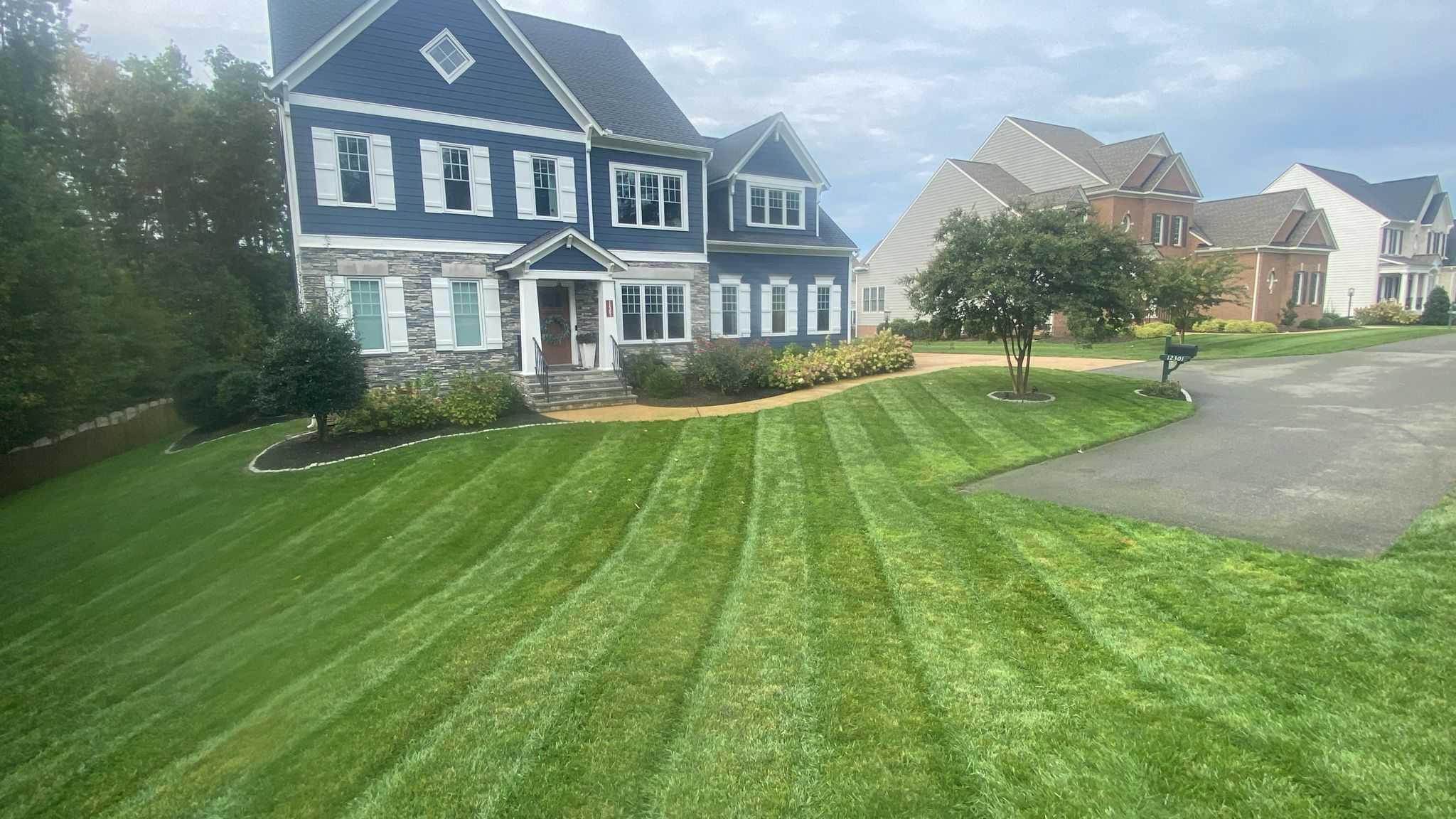
See the Difference: Green Lawns Through Virginia Summers


Meet our Sales Team
Exceptional service starts with exceptional people. Set up a visit to meet your project lead.

Bill Gallagher
Owner & Sales Manager
Jim Gallagher
Owner & Sales Manager
Preston Gravatt
RVA: Sales Associate
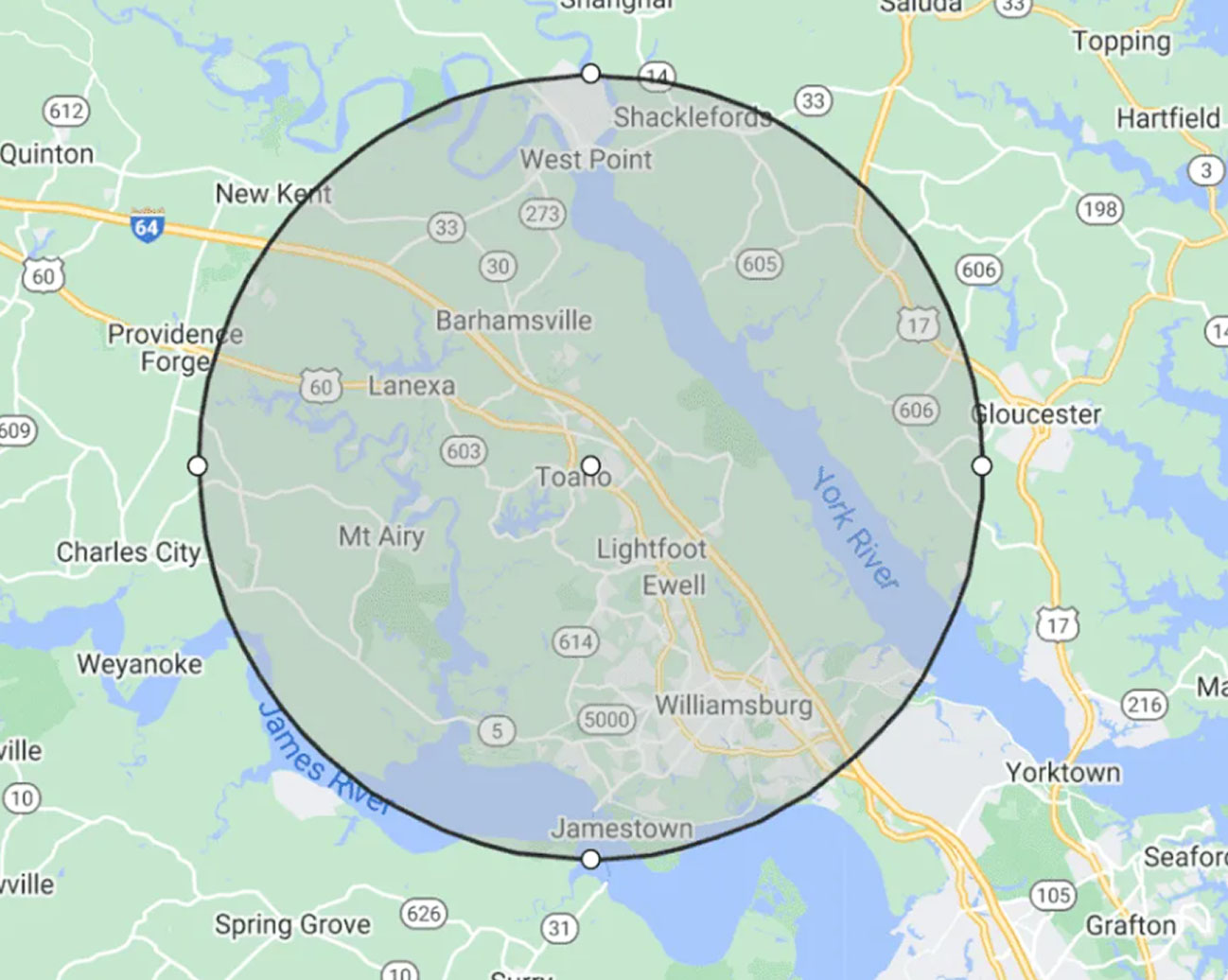
Our Service Areas
The Central Virginia area is our home, and we're proud to do our part to keep it green and beautiful. Our service areas include:
The Richmond, Virginia, area:
Richmond, Virginia, neighborhoods:
Don’t see your area listed? No problem!
Call (804) 514-4610 to learn whether your location is within our reach.
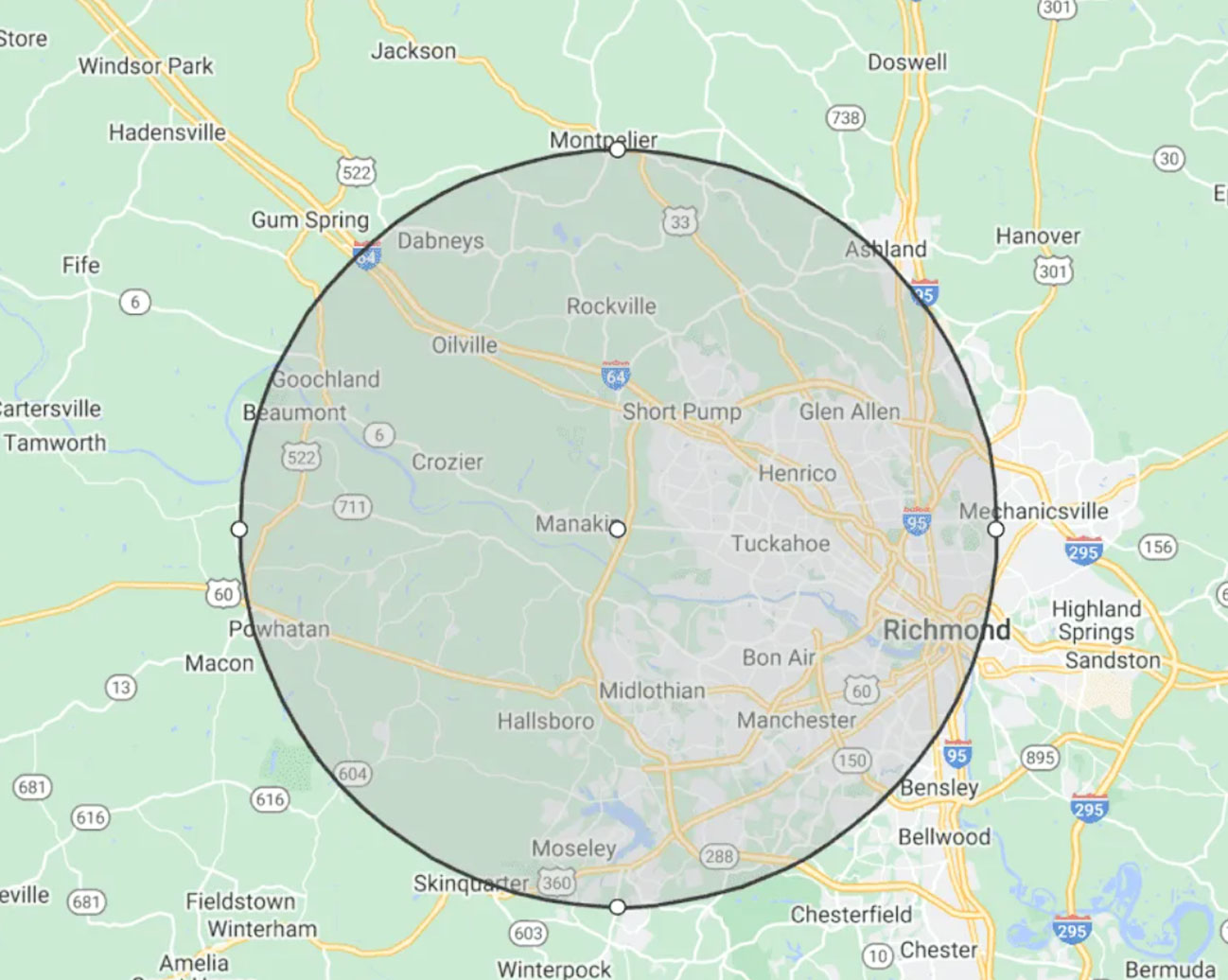
The Central Virginia area is our home, and we're proud to do our part to keep it green and beautiful. Our service areas include:
The Williamsburg, Virginia, area:
Williamsburg, Virginia, neighborhoods:
Don’t see your area listed? No problem!
Call (757) 903-5063 to learn whether your location is within our reach.
Related Resources
How Much Does Landscape Maintenance Cost?
January 9, 2026
How to Find a Reliable Landscaper for Yard Maintenance
November 18, 2025
The All-Season Landscape Maintenance Checklist for Virginia
November 13, 2024